
14 October 2014 Vakaeitu Island, Vava’u
I ran our dive compressor and filled up our two scuba tanks. At half past ten, which was two hours before high tide, we loaded all kit into dinghy and motored across the shallow reef towards the waves breaking on the outside of the reef. The plan was to wait until there was a gap in the waves and then go for it, but the waves were big where we tried and we got swamped by two breaking waves and touched the bottom with the outboard propeller, which isn’t good. With a dinghy full of water, we turned tail.
We went back to the boat to get a bailer to remove the water and also to get our reef shoes in case we had to get out of the dinghy and pull it and went to do battle again. This time, we went to a spot nearer to the middle of the reef where the breaking waves seemed smaller. With baited breath, we had another go and managed to time it okay, but it’s really scary because the water is so shallow with coral head sticking up all over the place.
Once outside, we motored along the west coast of Vakaeitu, looking for a dive site called “Coral Gardens South”, but the swell and surge bouncing back off the cliffs on the island looked too big for us to safely anchor the dinghy. We returned to the point where we’d crossed the reef and dropped the anchor in 8 metres of water.
We had a very nice scuba dive. The reef slopes off at 60 degrees and has very healthy coral and lots of small reef fish. I took our Nikon tough camera, which has a rating of 18 metres, so we made sure that we went no deeper than that. I took loads of snaps, but the camera isn’t as good as my old camera and the best I could do was a picture of a Latticed Butterflyfish. When we get to New Zealand, I’m going to spend loads of dosh on a decent camera and housing because it’s so frustrating to have poor quality photographs.

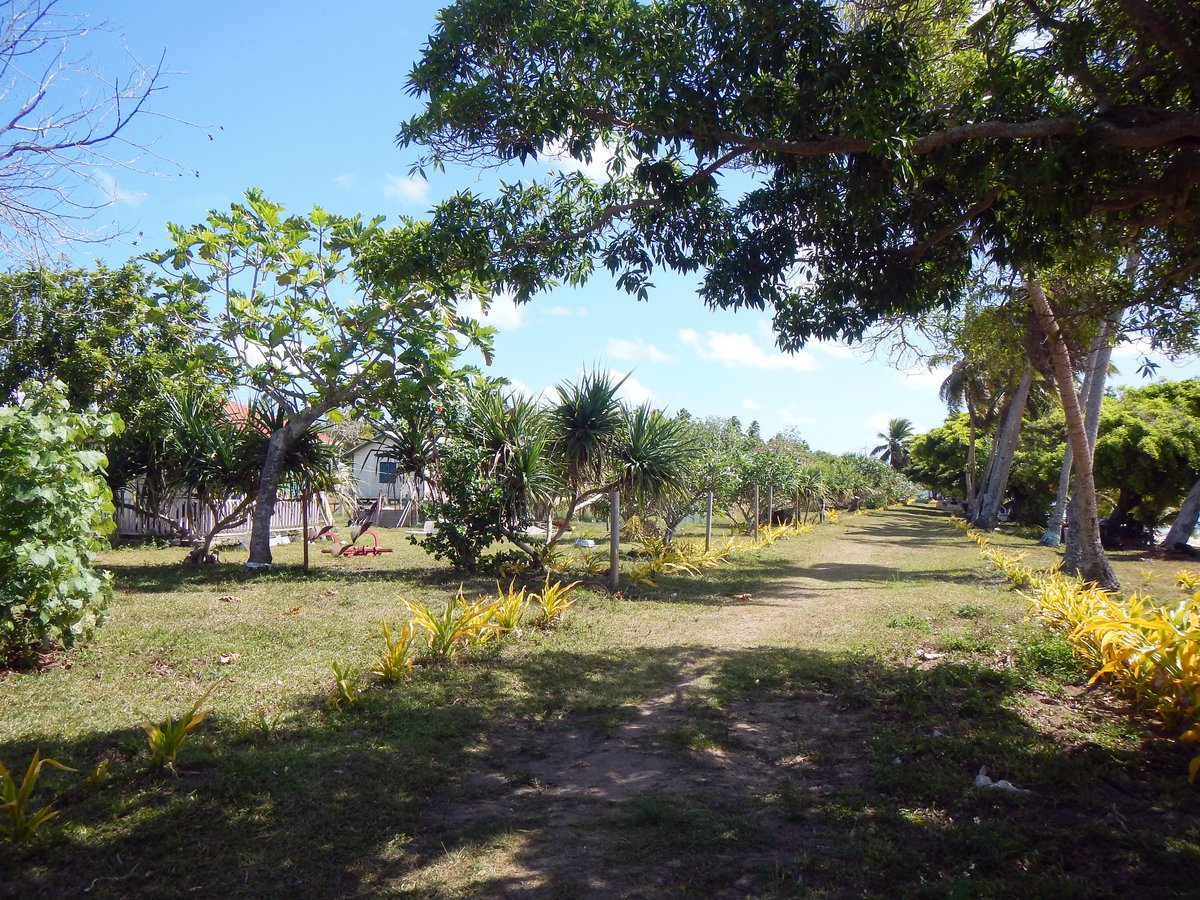
15 October 2014 Vakaeitu Island to Tapana Island (No.11), Vava’u
The forecast was for strong SE winds for a few days and the anchorage was a little exposed from that wind direction, so we sailed over to TapanaIsland. It was nice reach in 20 knot winds and it’s great to have hardly any waves in these sheltered waters. We anchored in 12 metres of water on sand and then chilled out for the afternoon.
We had Horst & Karen from “Flow” and David and Bella from “Admetus” over for sun downers.
16 October 2014 Tapana Island to Ofu Island (No.28), Vava’u
We’ve been struggling with finding anchorages in this area because there doesn’t seem to be a good up-to-date cruising guide. “Flow” has “Ken’s Guide to Tonga” which is eight years old, but looked very informative, especially on the Ha’api group where we’re going next. They kindly lent us the book to have a look through, so I took pictures of some of the pages, cropped them and converted it to a PDF file. It took me less than an hour and I’ve now got a good cruising guide for the Ha’api group, which we can read on the iPad.
It was such a lovely sunny day that we decided to go to Ofu Island, which is on the eastern side of the Vava’u group of islands, separated from the rest of the cruising area by a shallow reef barrier. There’s a channel through the reef, which is marked by two small buoys, but it was still a little bit exciting because the wind was blowing hard and the 2 foot chop was made it hard to see the 18 inch diameter balls. I never trust charts in these regions but thankfully, the Navionics chart on the iPad was accurate for once.
Once safely at Ofu Island, we tried to anchor on a shallow patch, which looked to be sand, but we couldn't get the anchor to hold. We eventually anchored in 10-12 metres at 18°41.39S 173°57.45W, which was good holding.
After lunch, we went ashore and pulled the dinghy up on the beach near to the church where there were a few other small fishing boats moored. There was a group of locals on the beach, so we went over to have a chat. They were gathering sea urchins and roasting them on a fire. One guy gave us a taste of the insides which was salty, oily and rather unpleasant.
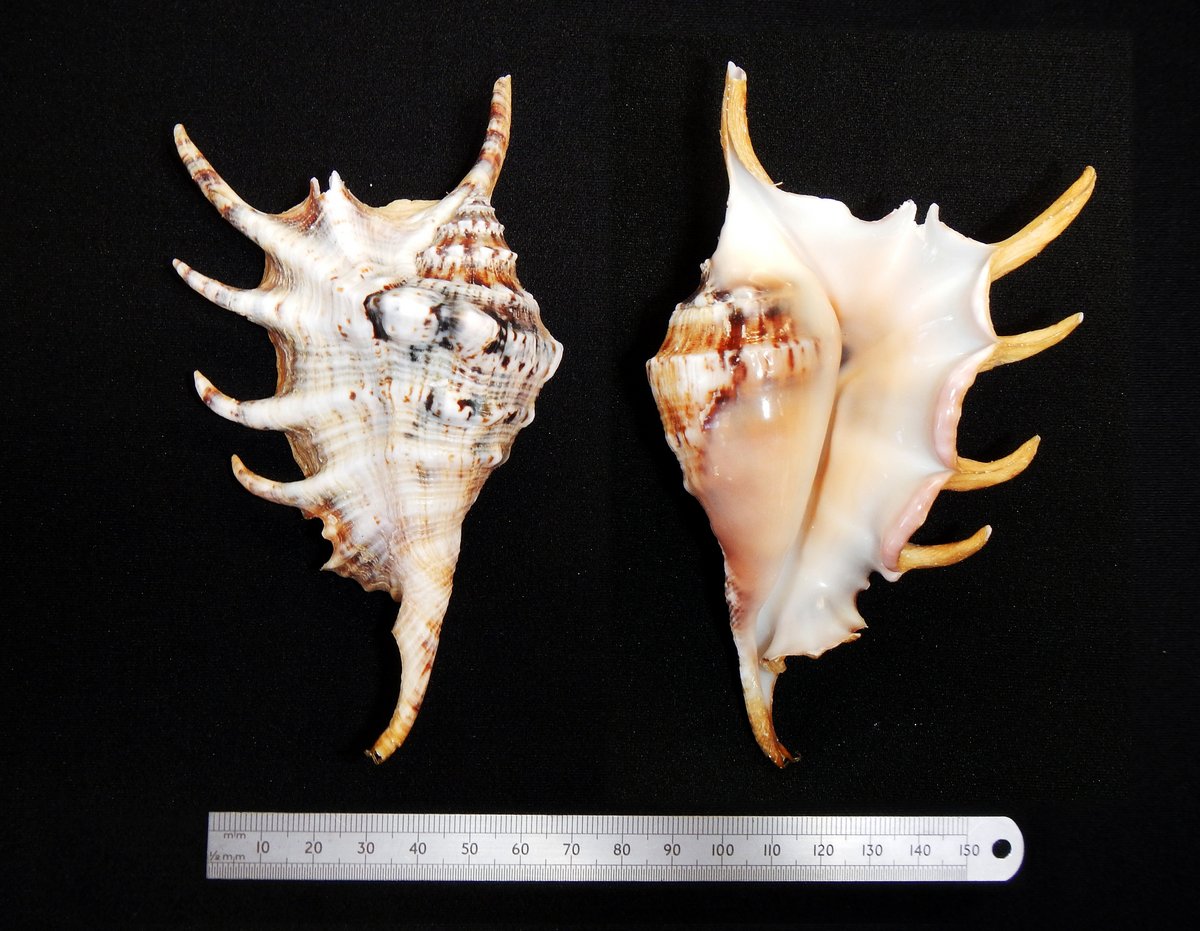
The village is spread out along the shoreline with a well-kept dirt road running alongside the beach. There’s no grocery store, just private houses, a school and a church - it’s a pretty place. The cruising guide said that there was good shelling on the beach and they were right. Glenys found a lovely small murex shell (Lambi Lambi) as well as a few other interesting shells.
17 October 2014 Ofu Island, Vava’u
The wind was howling most of the night and it was very cold in bed. I had three sheets on me and still felt a bit cold - I might have to break out a thin duvet.

We were woken up at five o’clock by a bell ringing very loud for five minutes on the island. At first I thought they were calling people to church, but it went on for so long that I became worried that the bell was some kind of alarm signal - perhaps a Tsunami? I just HAD to get up and turn on the VHF radio just in case, but heard nothing and fell asleep dreaming of being swamped by huge tidal waves.
We did a few jobs in the morning and then went over to a small island to the north of Ofu, even though all of the cruising guides say that it’s owned by a private individual who hates yachties. It’s actually a small resort run by the people who established the Aquarium bar in Neiafu. Ben met us at the beach and was very friendly, showing us around his small 100 metre diameter island. Over the past ten years they've built three chalet rooms, one being a tree house. It’s a very pretty, exclusive little place in a lovely setting.
We went snorkelling off the beach of Ofu island just level with the church. It’s a nice bit of reef, but the water was very cloudy after the strong winds. Glenys found lots of the small murex shells, but they all had creatures in them, so she put them back.
The cold south wind howled all day and, despite wearing full length 3mm wet suits, we were cold when we got back to the boat, so Glenys made us a nice cup of hot chocolate - it’s been a long time since we last had that.
18 October 2014 Ofu Island to Kenutu Island (No.30) Vava’u
The wind abated a little bit overnight and it’s forecast to drop steadily over the next few days down to below 10 knots by the 21st when another high sweeps by to the south of us. It looks like the best time to sail the 65 miles south to the Ha’api group of islands is tomorrow night when hopefully the seas will have abated a little bit.
We motored around to Kenutu Island and anchored just off the southern tip in 10 metres of water on sand. There’s a small island at the south end of Kenutu and the surf breaks in the narrow channel between them with huge walls of water shooting up twenty or more feet. It’s very impressive (and a little scary), but the waves all dissipate before getting into the anchorage.
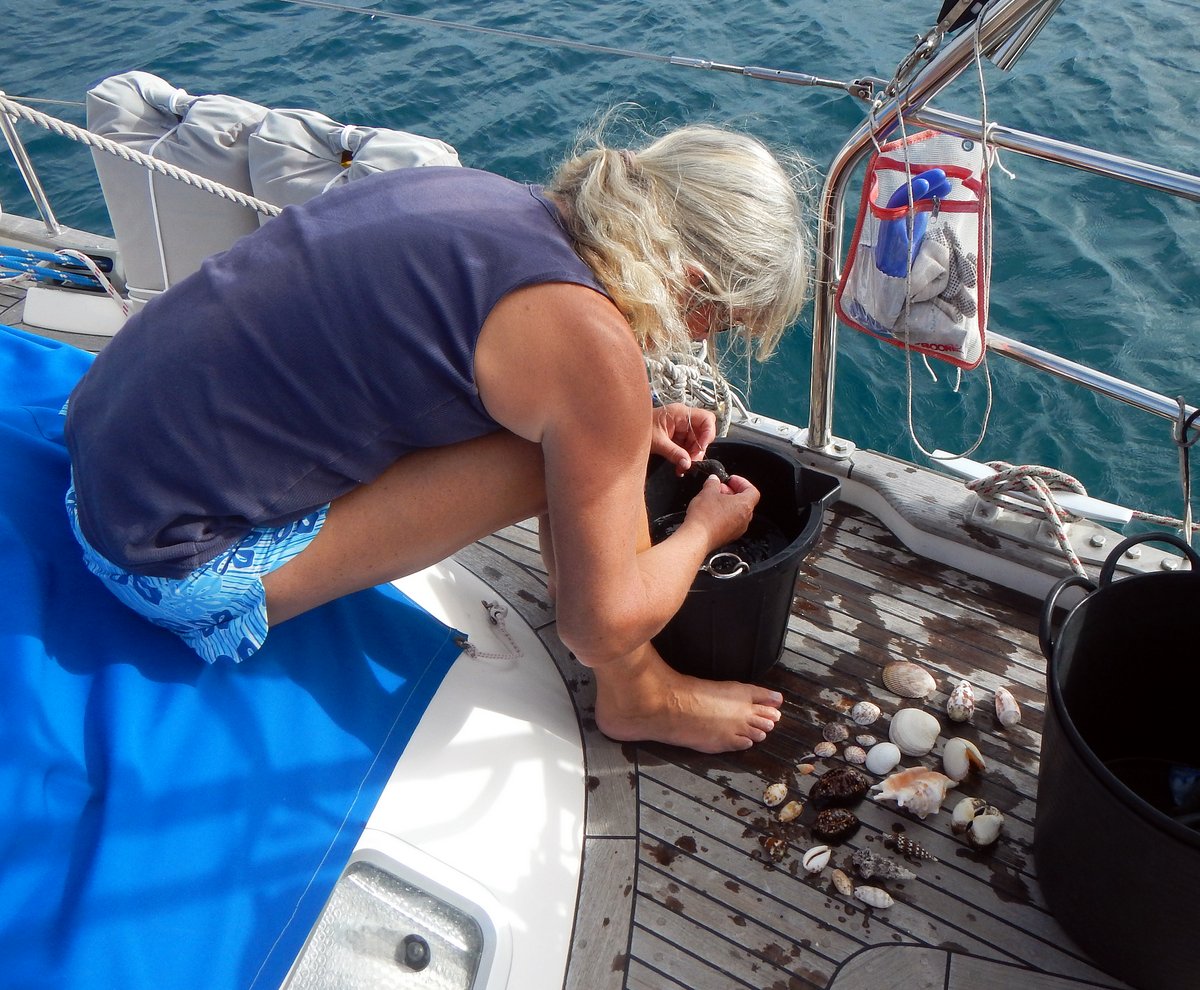
After lunch, we walked to the other side of Kenutu to look at the relentless ocean pounding against the cliffs. There’s a trail which leads north back to the beach which is interesting. Previous cruisers have tied bits of material and coloured string to trees to mark the trail, which is a good job as the trail is very faint and overgrown in places. I took along my machete which was handy at times.
It was high tide by the time that we got back to the boat and some of the surge from the waves was creeping into the anchorage, so we moved a little further north to 18°41.92S 173°55.75W. It was only 100 metres or so, but made a big difference.
19 October 2014 Kenutu Island to Tapana Island, Vava’u
We went for walk on Umuna Island. We landed the dinghy at the southern end of a long beach where a well-worn trail goes to a deep cave with a fresh water pool at the bottom. There was a small owl roosted on the wall of the cave, which was disturbed by us and kept flying around. It’s not often that I’ve seen a wild owl in such close proximity. After climbing back out of the cave, we then continued along a path through Pandanus woods to the east side where there was another great view of the Pacific Ocean crashing onto cliffs.
Back on boat, we pulled dinghy on deck and got ready to sail to Ha’api in the evening. By two o'clock, thick clouds had started to build and there were showers around us, so we upped anchor and hurried to get through the two tricky channels back to Tapana Island before we lost the sunlight.
Once out of the shadow of Kenutu Island, it was apparent that the wind was well over 20 knots and from the south-east. With the odious prospect of beating into a strong wind all night, we decided to delay another day and anchored by Tapana Island for the night.
20 October 2014 Tapana Island to Uoleva Island, Ha’api, Tonga (Day 1)
It rained on and off last night and the wind seemed gusty, so I think that we made the right decision by staying for another day. The morning was overcast and the GRIB forecast showed 10-12 knots from the east today and tomorrow. With the dinghy on deck, we had a very quiet day on board.
It cleared up in the afternoon, so I spent an hour snorkelling down cleaning the propeller and a little bit of the hull. We have some impressive three inch long strands of fine green weed on huge patches of the hull now, which I need to clean off before we set off for New Zealand. I need a really calm anchorage and will have to spend a couple of hours with a scuba tank to get it clean enough for the New Zealand Quarantine inspectors.

We left at five o’clock and only had to motor for ten minutes until we were clear of the anchorage and had clean 15 knot wind. It was a pleasant sail for an hour or so through the southern islands of the Vava’u group, but then the waves built up as we cleared the reefs. Despite the ideal 15-20 knot east winds, the seas for the next six hours were horribly confused. At six foot, the waves weren’t very big, but they seemed to be coming from all directions.
Thirty miles to the east, the ocean floor is 4000 metres deep and quickly rises to 500 metres only 10 miles from our route. On our route, the depth ranged from 300 metres to 30 metres, so we were effectively sailing along the top of an underwater mountain ridge as impressive as the Arête de Rochefort in the Alps. I’m guessing that the massive volume of water called the Pacific Ocean has to go somewhere, so it comes up and churns up the surface of the sea giving us these horrible conditions.
After we passed a final shallow spot called Disney Reef, the sea bed dropped away and the conditions improved, so our last two watches were very pleasant and we finally got a bit of sleep.