
15 July 2014 Fare, Huahine
There was no wind first thing in the morning and the boats in the anchorage were swirling around a little bit. Our chain had caught on a coral head and put us too close to “Liward” because they were swinging in a large circle than us. So, before breakfast, I had to snorkel down to free the chain. I man-handled the chain over to the other side of the coral heads, which was enough to put us a comfortable distance from “Liward”.
We hired a scooter and went for a tour around the islands. First we zipped around the smaller island of Huahime-iti. The road follows the coast and occasionally dips inland through some very lush farmland and vegetation. It’s only about 12 miles around the island, so we just stopped in a couple of places to stretch our legs. There’s a layby on the south east side of the island which has a stunning view looking down on the fringing reef with fabulous colours.
Back on the main island of Huahine Nui, the road climbs very steeply up - at one point, the poor little scooter was struggling so much that we could have walked faster, but it pulled through. There’s a rather boring lookout at the top of the hill and then the road drops down to the small village of Faie.
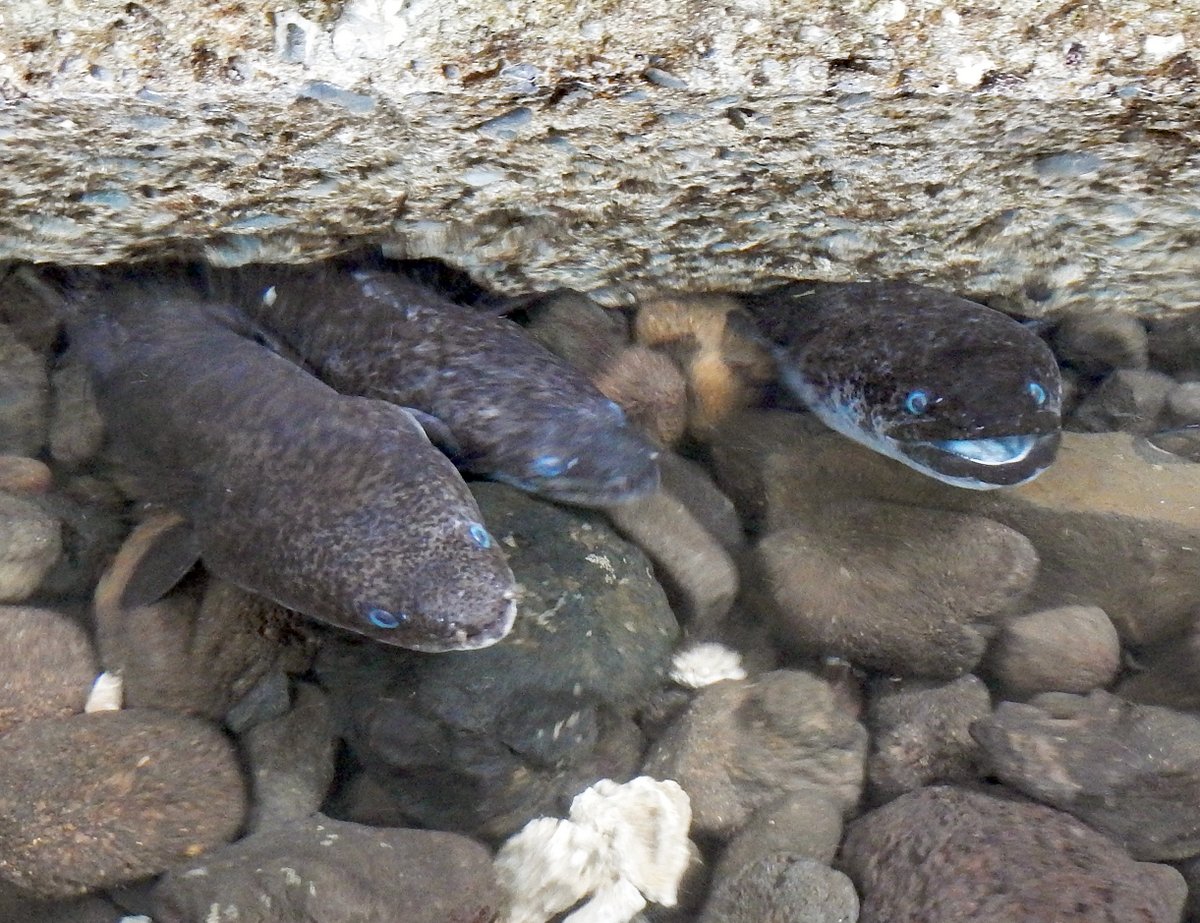
On the left hand side of the road in the village is small river flowing along a culvert. Here we found the sacred Blue-eyed Eels. These are large freshwater eels (about five feet long) that are fed by the local tour guides. They live in incredibly small holes on the side of the crumbling culvert and come out when fish is offered to them. It’s bit of a circus, but interesting nonetheless.
Just outside Faie, we stopped off at Huahine Nui Pearls and Pottery. They transported us and some other tourists out to their pearl farm a few hundred metres offshore. We were given a short talk on pearl production and then shown into the small pearl shop. They had some really nice jewellery, but much more expensive than the Tuamotus.
We stopped for a picnic lunch on a beach next to Marae Manunu and had just finished our baguette, when it started to rain. We rushed back to the bike and scooted off to the Maeva Archiological site hoping to get some shelter. Unfortunately, the small museum was closed, so we hunkered down in the entrance porch for a while.
Twenty minutes later, the rain was showing no sign of relenting, so we went for a walk up a trail, which would have been nice if it had been dry, but we got soaked to the skin and gave up after fifteen minutes. We drove back to the main town of Fare, dropped off the scooter and retired back to the boat to dry out.
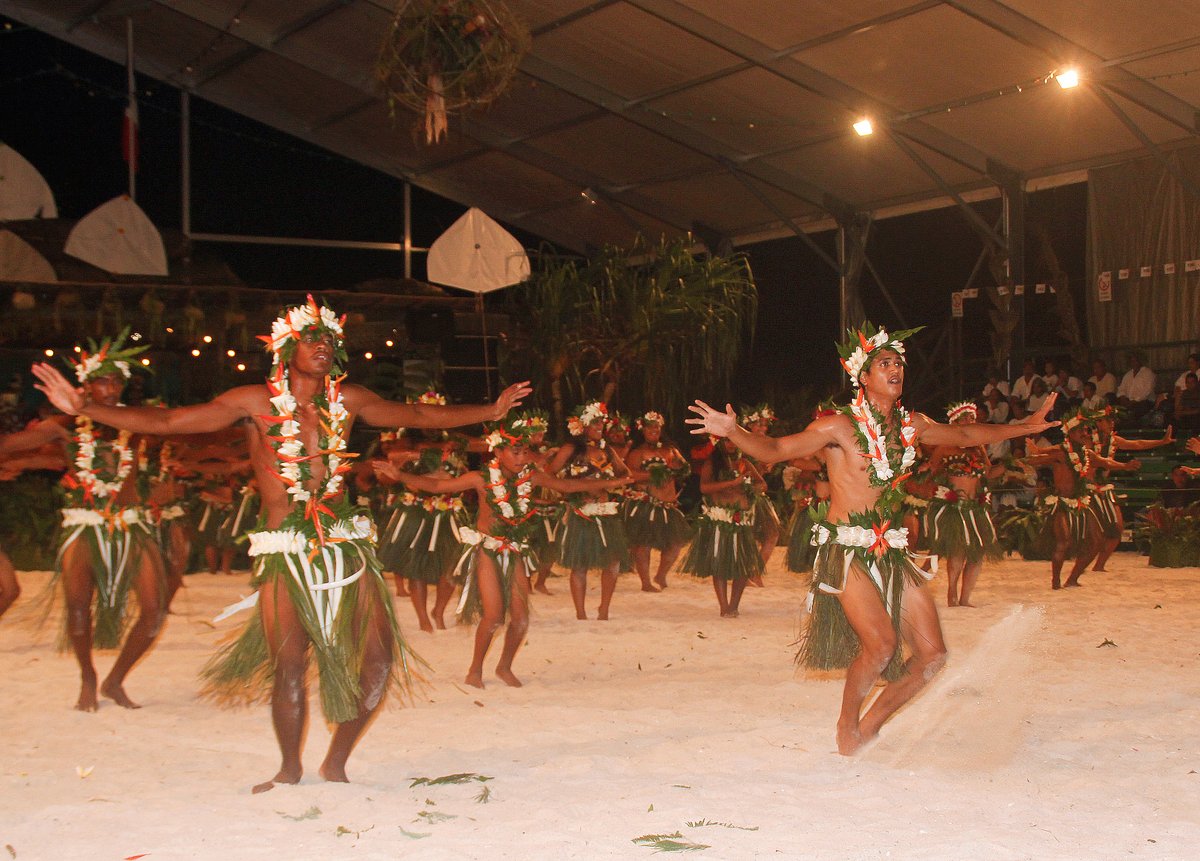
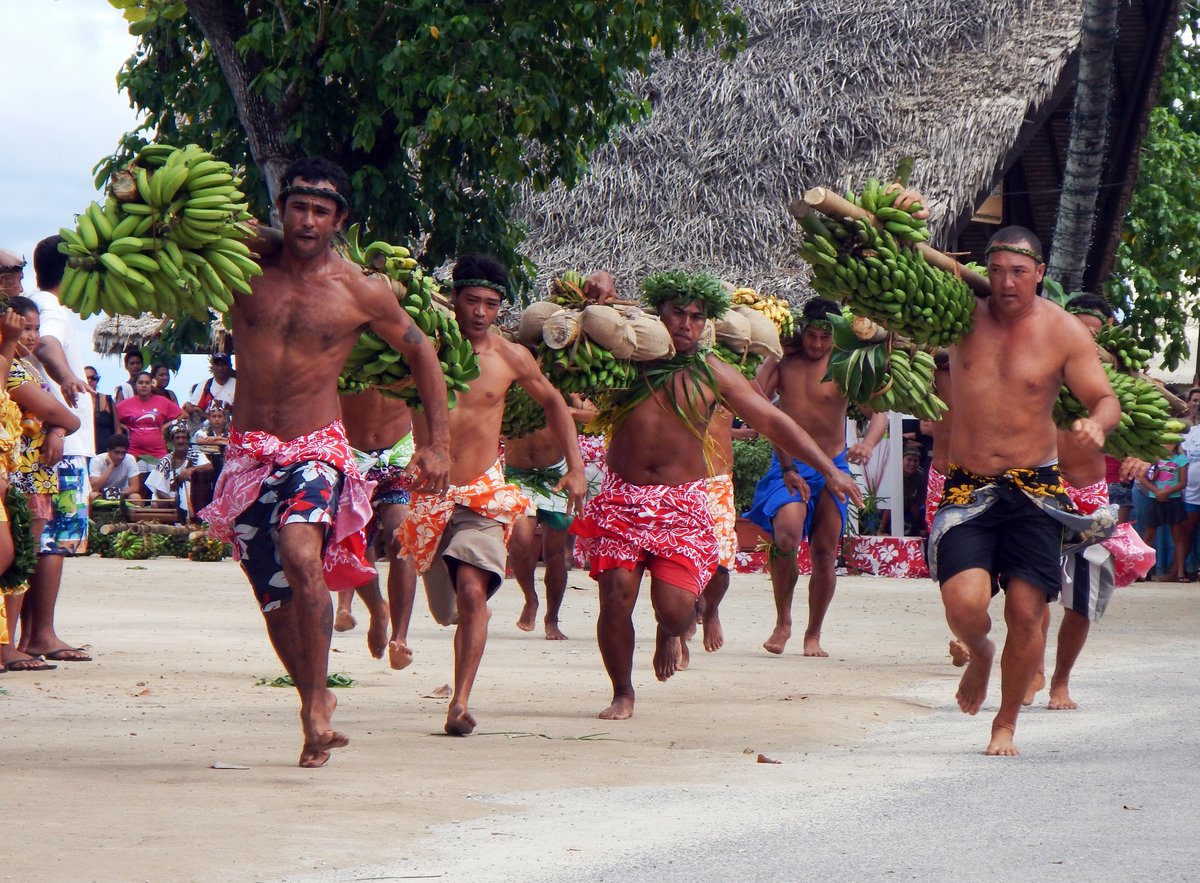
In the evening, we went out to the Heiva dance competition. The Heiva is a two week event where the eight main villages of the island compete in various events including running races, outrigger canoe races, singing and dancing. The event normally starts the weekend before Bastille Day, so this year it runs from 5th to 19th July. The sporting events take place during the day, but the singing and dancing happens at a small stadium just outside town, with one village singing and one dancing each night.
We managed to bum a lift out to the event, which was great because it was still raining. I had to sit in the back of a pick-up truck, but it was much drier than walking for twenty minutes. The small eating places were bustling and we had a great meal of steak and chips, but it took ages to arrive and we missed the singing event.
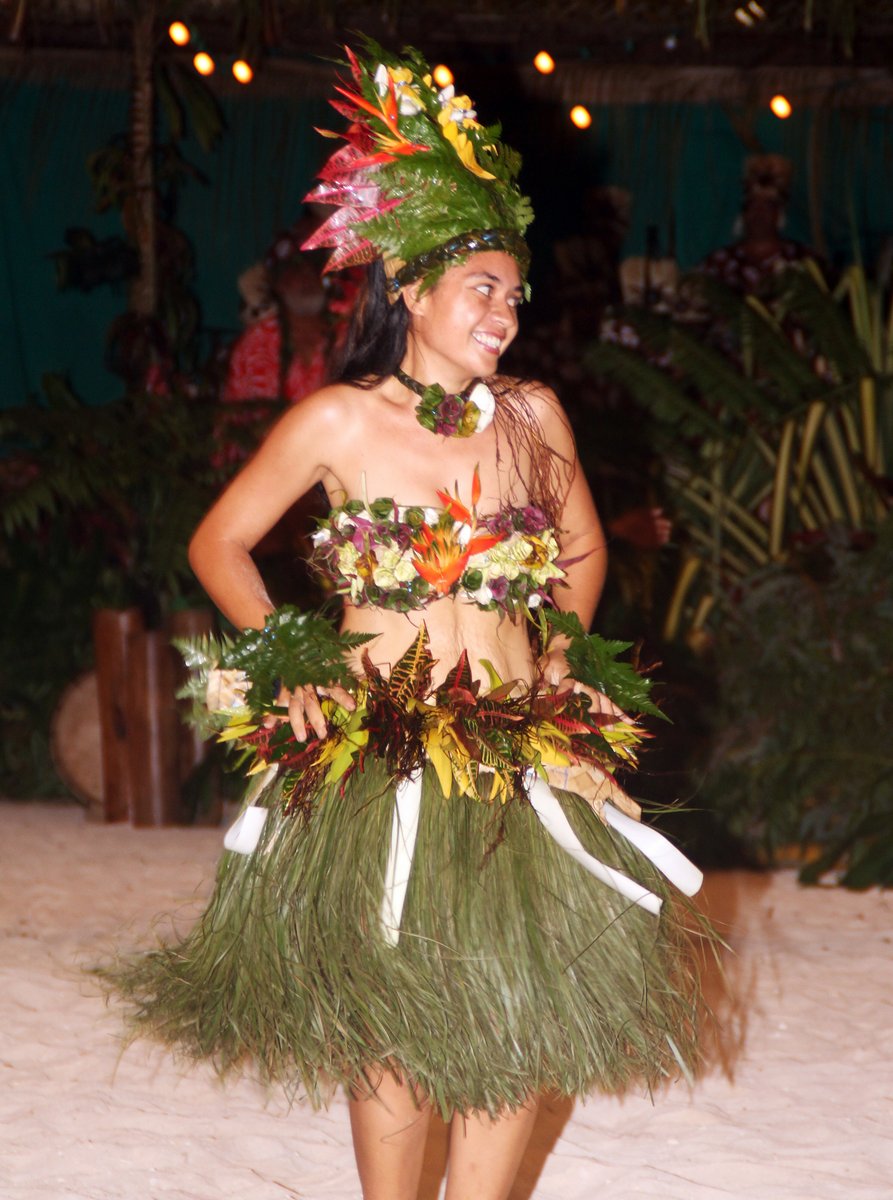
The arena was nicely decorated with woven palm leaves and flowers everywhere. There were tiered, hard wooden benches around the sandy arena giving us a great view of the action. There were around fifty dancers - half men and half women all dressed in costumes made from natural grasses and leaves. Interestingly they were all ages from small boys to more mature ladies and lots of different shapes from skinny, young teenagers to buxom, large ladies who didn't mind shaking their fatty bits at all.
The dancing and music was fabulous - men wiggling their knees and the women wiggling their hips and some great choreography. Every year, the judges choose a theme based around a traditional story - this year it had something to do with mystical mountain peaks, which are the last thing that a voyager would see as they left home and the first thing seen when they return home. We had a great time.
16 July 2014 Fare, Huahine
It was a horrible rainy morning, so we stayed in. Glenys got on with some chores and I worked on our web site, in particular my Marine Life photograph section. I’ve already published a very basic program, but it’s very simple and I wanted to make it easier to extend, so I spent most of the day re-programming it. I now have new code, but the program doesn’t work as well as it did this morning - very depressing.
It brightened up in the afternoon, so Glenys went for a stroll around town and did some food shopping. Later in the afternoon, the Hokulea arrived and was towed around to Haapu Bay. There was a little bit of excitement, with conch shells being blown, but nothing as grand as the event we saw when the replica Polynesian Voyaging Canoe arrived in Papeete after its passage from Hawaii.
In the evening, we were invited by Wil and Jenny onto “Full Monty” for a beer or two and then went out to the sports stadium to watch another village perform their dances at the Heiva festival. This time we went earlier, had a huge chow mein for dinner and made it to our seats for the singing. Some of the singing was lovely and tuneful, but a lot of it was chanting to drums, which I found a bit repetitive.
The dancing was again a big show with fifty or so dancers and very enjoyable. There were more drums tonight and a bigger gaps between the dances while the dancers changed costumes, with some guy droning on for long minutes in Polynesian. If we’d been able to understand what he was saying if might have been interesting, but the hard seat seemed to get harder the longer he talked. It was another great evening.
17 July 2014 Fare, Huahine
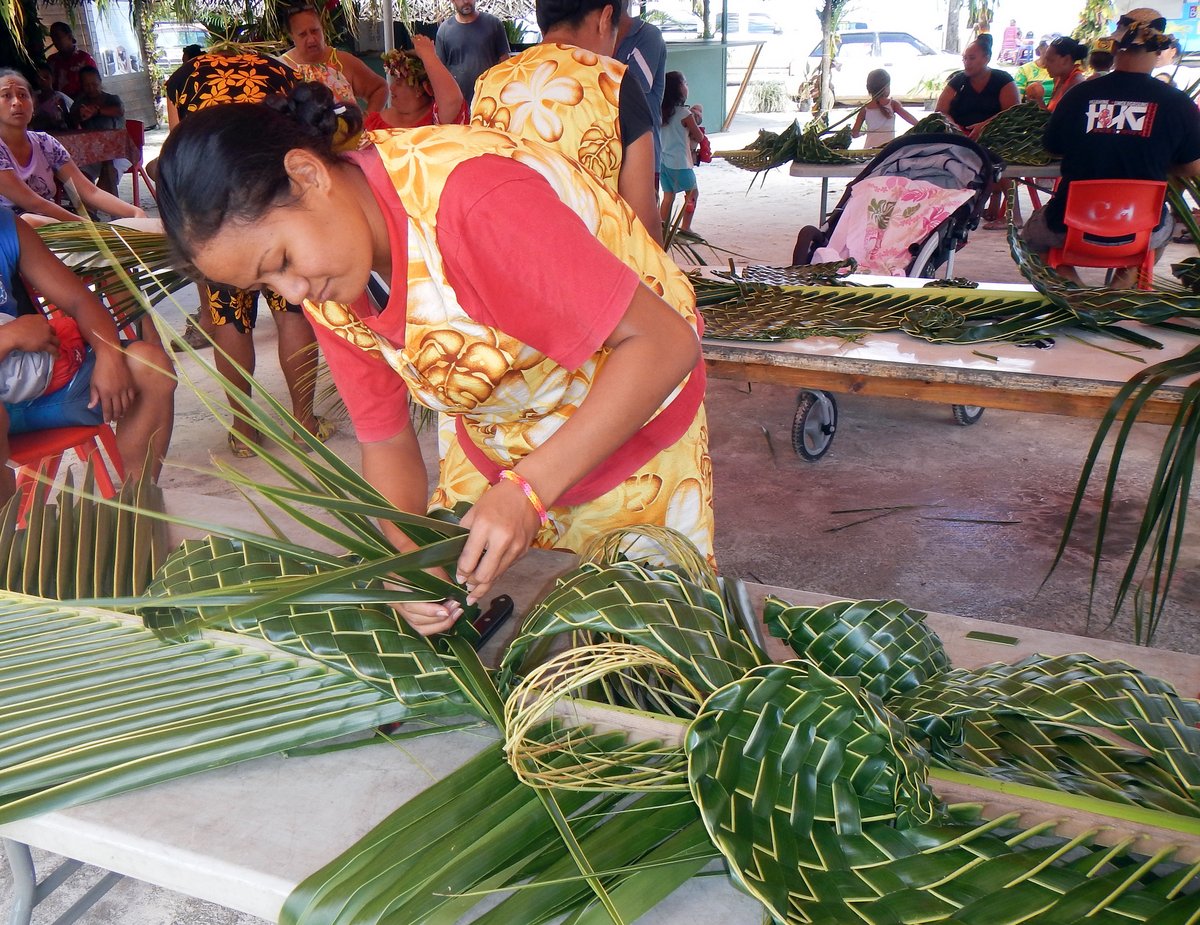
We wandered down to the small artisans market and watched a Heiva competition for palm leaf weaving. This sounds boring, but it was fascinating to watch the skilled locals produce lovely decorations from ten foot long palm leaves. There were different techniques, some stripping the green edges from the long leaves and weaving the remaining stem and others weaving the green leaves into intricate shapes and patterns.
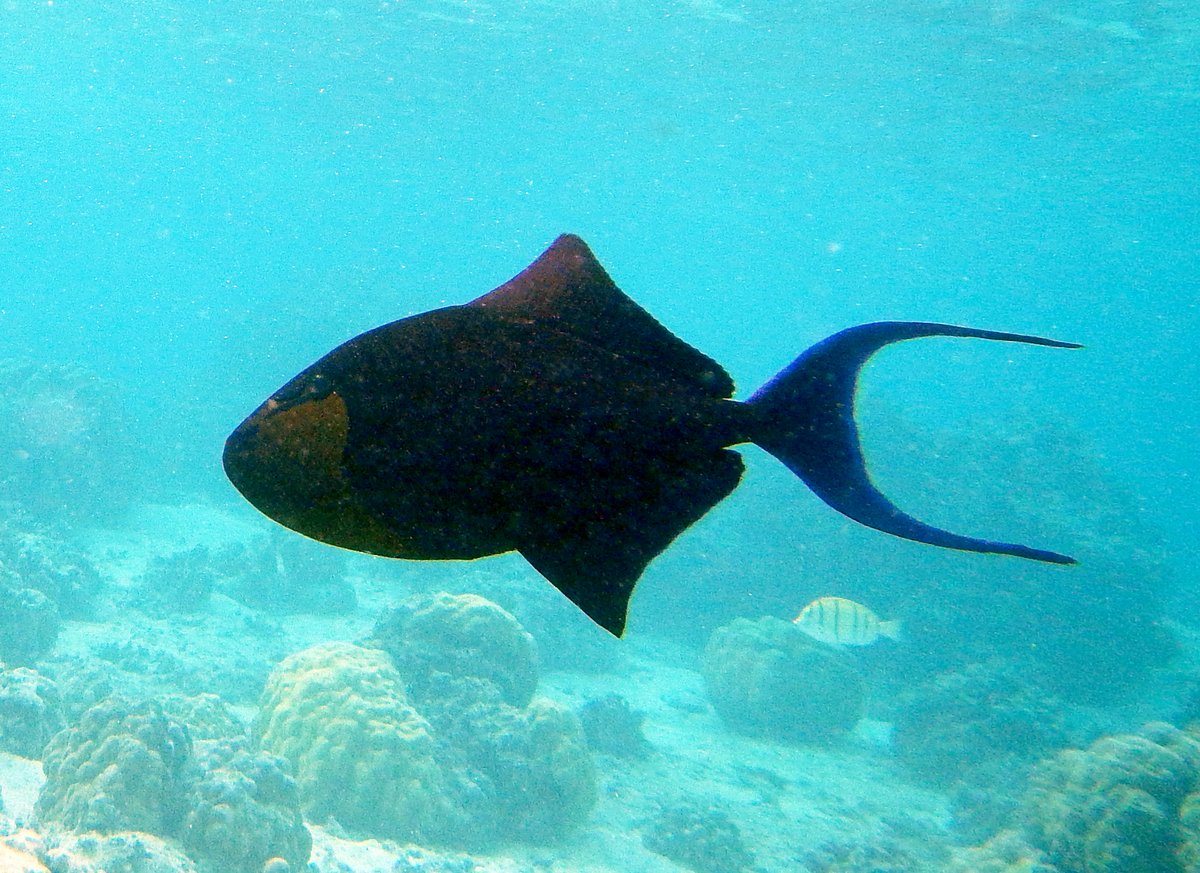
In afternoon, went out to the shark feeding boat for a snorkel, but there weren’t as many sharks as a couple of days ago - perhaps the sharks know that tourists don’t come out on a Thursday? Last time, we’d got close to a few Redtooth Triggerfish, which are normally very, very cautious. They’re almost black, so I’d rigged up my underwater camera with my underwater strobe - the tiny pocket camera looks a bit ridiculous on a huge tray and arm and the strobe is twice its size, but it seemed to work. I was hoping to get a good photograph, but none of the Triggerfish would come close enough - ah well.
We had a quiet night in - all Heiva-ed out now.
18 July 2014 Fare to Faaroa Bay, Raiatea
Huahine has been one of the best islands that we’ve visited in the Society Islands - it’s small enough to be very friendly, but big enough to have lots of things to do. However, we needed to move on. We had a struggle getting the anchor up. Despite putting a fender on the chain, we were caught on some coral heads again, so we had to manoeuvre about for ten minutes to get it free.
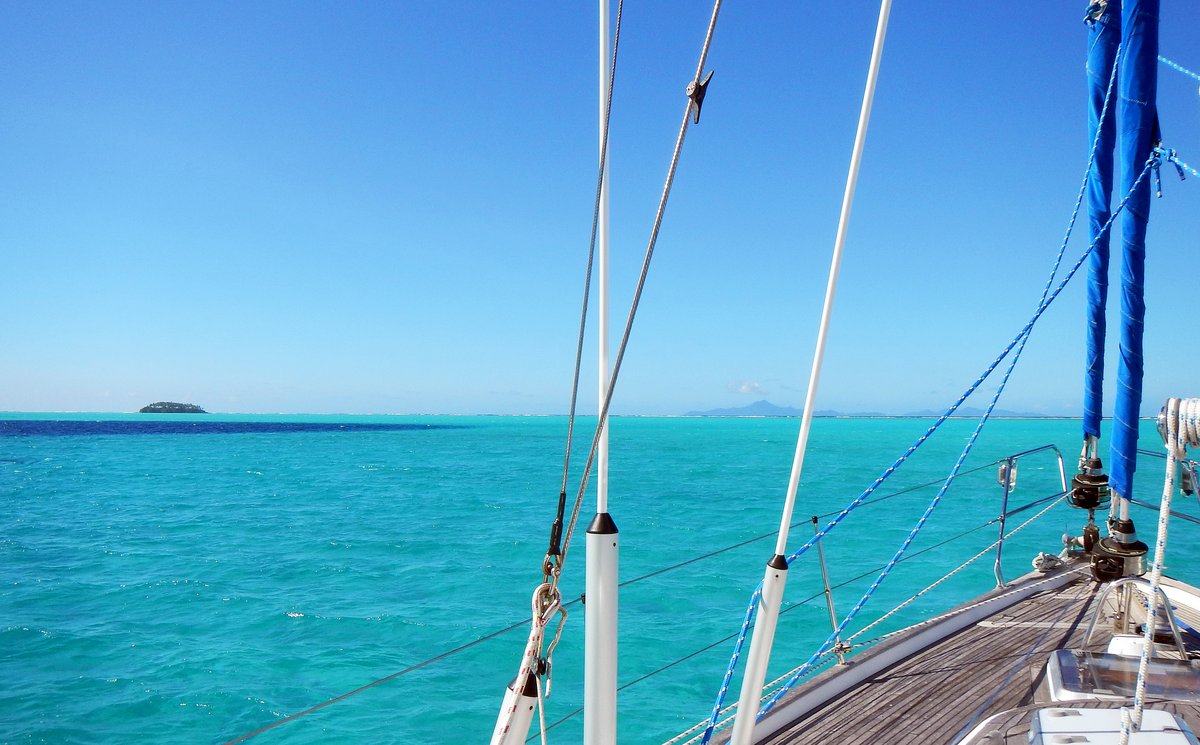
The 20 mile trip to Raiatea wasn’t very restful because there were lots of horrible showers around, giving us variable winds, so we had to keep changing the sails and putting the engine on. Thankfully though, the rain showers kept out of our way.
We motored through the Iriru Pass and into Faaroa Bay where we picked up a mooring. They’re provided by one of the charter companies and can be picked up for no charge, which is very handy because most of the bay is very deep.
We chilled out in the afternoon. I spent a couple of hours going through my underwater photographs and identifying fish. I never realised how many photographs of fish I've accumulated over the past few years - it’s a bit of a chore catching up with the identification process. I've still got over 100 fish and marine creatures to identify.
Amazingly, our friends on “Full Circle” arrived ten minutes after we picked up our mooring, so Paul and Monique invited us over for a sunset beer or two.
19 July 2014 Faaroa Bay, Raiatea
I woke up with a horrible head cold - blocked nose, headache and sore throat - it must have been the soaking that we got in Huahine.
After breakfast, we jumped in the dinghy and went up the Faaroa River, which apparently is the only navigable river in French Polynesia. It’s a pleasant little river and quite atmospheric when it gets narrower and the lush vegetation overhangs the water.
Near top of the river, we met a local guy called James who was guiding a couple of people in kayaks. We tagged along and he showed us around a couple of farms. James was obviously angling for us to buy some fruit and veg from him, but mostly it was taro, coconut and bananas. We’re not too keen on Taro, which is a starchy root vegetable (like a yam) and we’d still got half a dozen coconuts, so we bought a big stalk of bananas for $10 and shared it with “Full Circle”.
We chilled out in afternoon. Motivated by my cataloguing of fish photos, Glenys dug out her pile of shells that have been shoved in boxes and bags. She’s got quite a collection now and has started to identify them and take photographs, so that she can put them up on the website at some point in the future.
20 July 2014 Faaroa Bay to Pointe Tamapua, Raiatea
We had a horribly rolly night, because the swell comes in through the pass, which is right at the end of the bay. We had a very pleasant sail down to Motu Toa Toa and it was blowing over 20 knots from the north east by the time that we arrived. There’s a small basin in the lee of the island, but there were two charter catamarans already anchored there with a one right in the narrow entrance channel.
We temporarily anchored on the edge of the reef - dropped in 2.5 metres on sand and backed off. I went over in our dinghy and had a look at the anchorage and found that we might have been able to squeeze in, but it’s only 2.5 metres deep and in most places far too tight for my liking.
We went back towards Passe Teavamoa and anchored off Point Tamapua on a lovely sandy patch at 16°51.94S 151°21.04W in 3.5 metres of water. We’re in the middle of nowhere, just off the channel around the island. The water colours are stunning, there’s a reef ½ mile ahead of us and the view of Raiatea behind us is lovely. We went snorkelling on a reef that we found 50 metres to the south west of the anchorage on the edge of the channel. The reef is rocky, but is teeming with fish and has depths of between 3 and 8 metres, which is just perfect for us.