
14 March 2014 Isabella, Galapagos
Glenys became in Internet Widow in the morning because I had an Internet connection on board for the first time since we left Bahia de Caraques three weeks ago. I spent all morning catching up on older emails and sorting out our finances. This is a big month in expenditure because we have to pay out for our health insurance and our yacht insurance, so I had to move a bit of money around.
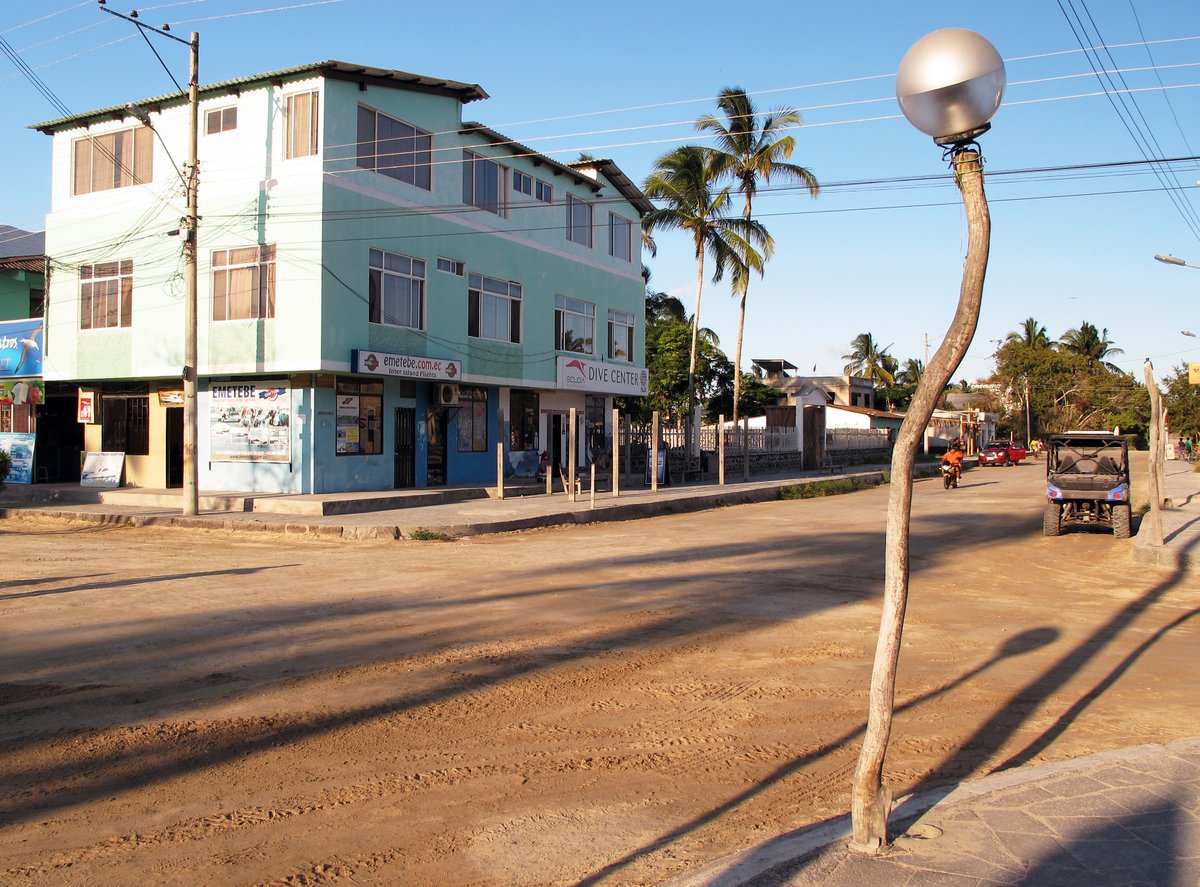
In the afternoon, we dinghied to the dock and walked into town – it’s not very convenient because it’s a fifteen minute slog in the beating sun along a dusty road. There is a small shortcut that goes between some government buildings and leads you onto the edge of the town beach.
The small town of Puerto Villamil is a dusty sleepy place, where the roads are made from hard packed dirt and the pace of live is relaxed. We went into a dive shop and arranged to go out to Isla Tortuga for a two tank dive – it might be Monday, Tuesday or Wednesday – who knows?
We called in a few tour operators and asked about the cost of hiking up to the sulphur mines. There are lots of organised trips to go to the volcano, but the sulphur mines are an hour further and not many people do it, which is exactly why we want to do it – we don’t want to be mixed in with fifteen hikers on a kind of school trip. Unfortunately, all the tour operators were very vague and wouldn't give us a price, wanting us to put together a group and then they would work out the price. I'm guessing that it will be about $200 split between the group, so if we got six people together it would be about $35 which is the price of the normal trip.
The town was still having a siesta and the small grocery stores were mostly closed, so we walked up to the Tortoise Sanctuary along a very pleasant board walk through a mangrove swamp. The main purpose of the Tortoise Sanctuary is to breed the different species of Galapagos Tortoise that live on the island and to release them to the wild. I was amazed to find out that hardly any wild hatchings survive because of the presence of rats and other introduced predator species. If the Tortoise Sanctuaries on the various islands didn’t breed tortoises then they would become extinct.
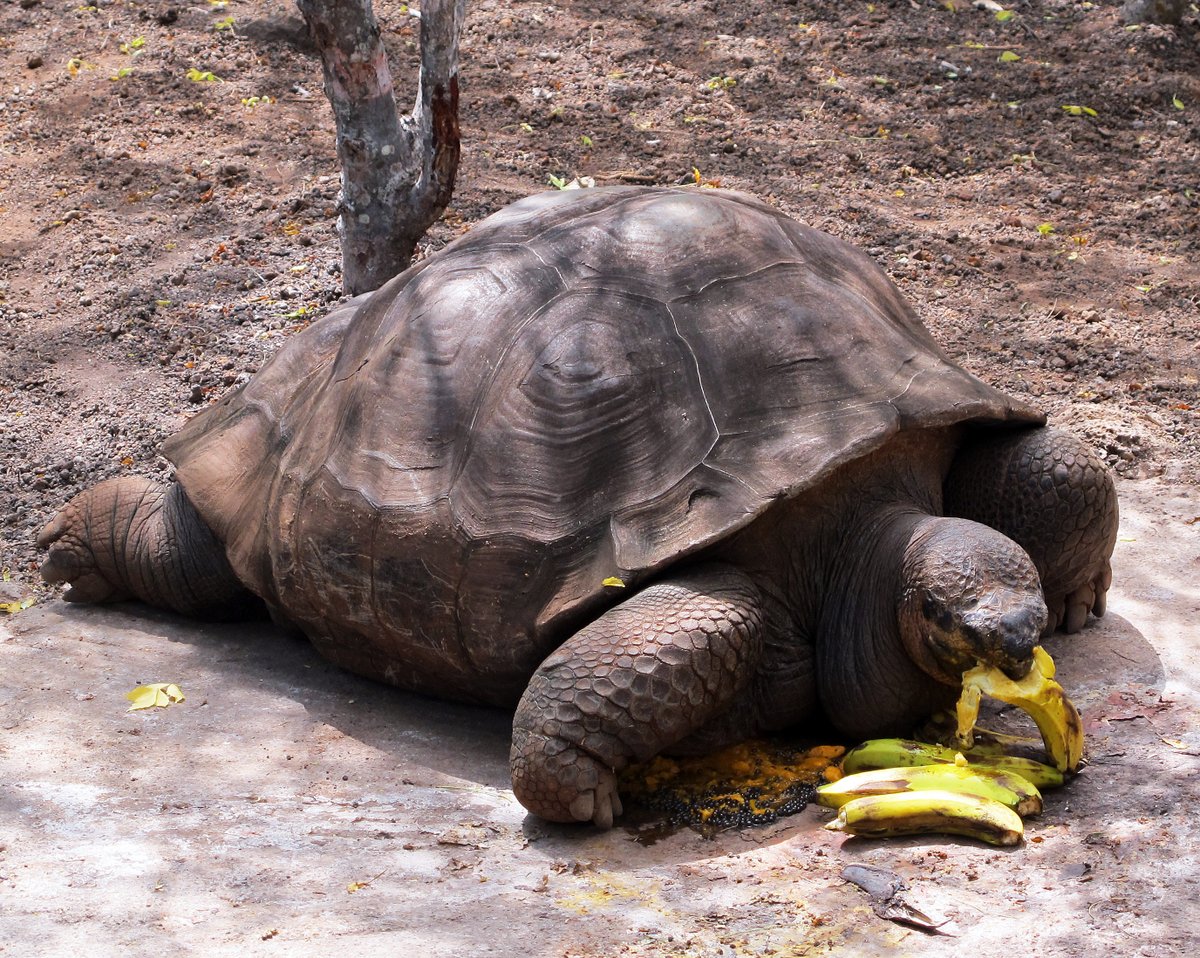
Galapagos Tortoises are not the most interesting creatures in the world, so we were soon back in town wandering around the small grocery stores. Glenys thinks that she’ll be able to buy everything that she’ll need for the long passage to the Marquesas.
15 March 2014 Isabella, Galapagos
I had a dodgy stomach today, so we stayed on board. Glenys got on with some cleaning jobs, while I spent most of the day researching what we’re going to be doing over the next 12 months. I started looking at anchorages in the pacific islands and have now sussed out what we’re going to do through the Society Islands from Tahiti to Bora Bora. I then moved onto investigating New Zealand.
I've been having some email correspondence with a couple of cruising friends who are currently in New Zealand and they've been giving me the low down on the various boatyards and marinas in the North Island. Even though we’ll be there for nearly six months, it sounds like the boat yards are always busy, so I might have to pre-book a haul out to get some jobs done.
We’re planning to go home to the UK for a month over Christmas and then go for a month-long road trip around South Island. Add in time for a haul-out and some major jobs, I think that we’ll only have eight weeks to actually sail in New Zealand…
16 March 2014 Isabella, Galapagos
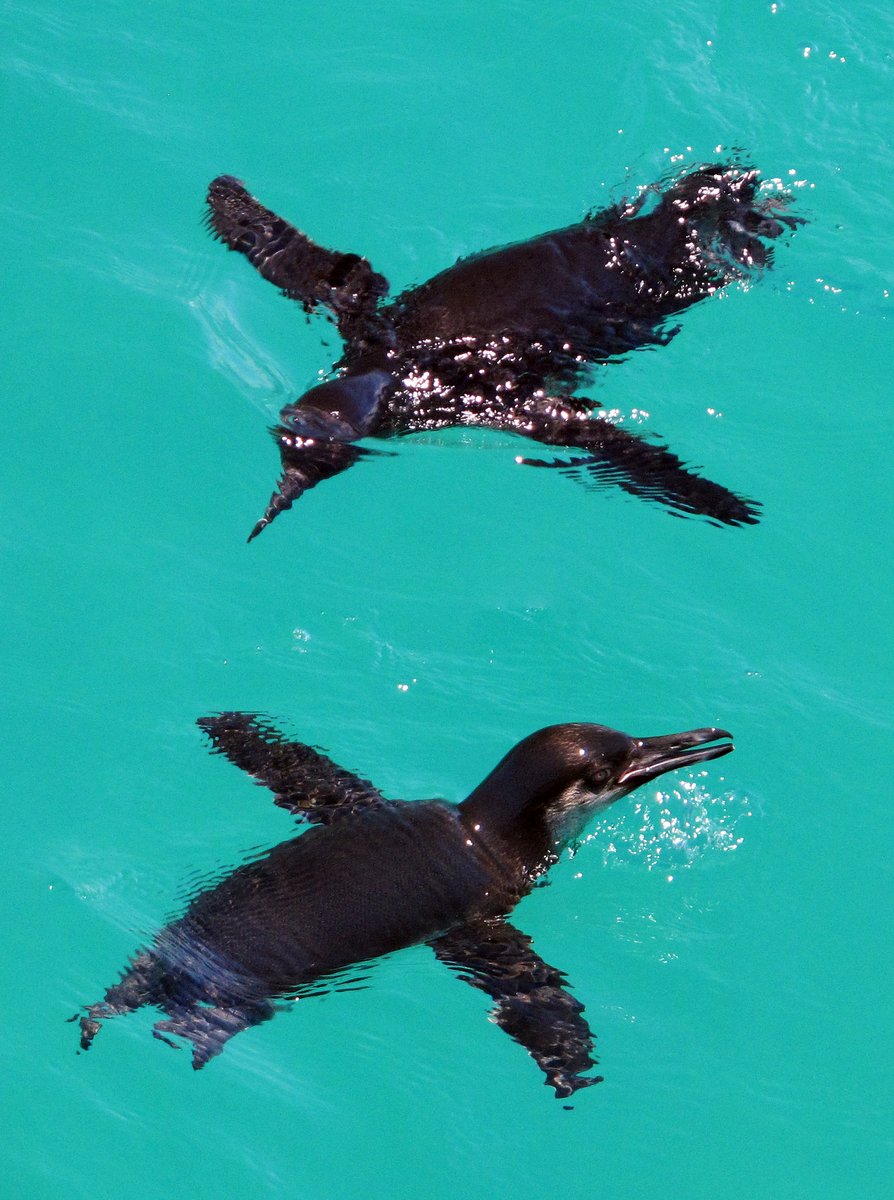
We were awoken to a loud bash on the side of the boat. Shoals of small fish are gathering under our hull and the predators want them. The local Brown Pelicans fly to a height of 30 feet and hurtle down, crashing into the water inches from our hull creating a loud bang as the water slaps against the boat. Meanwhile, Galapagos Penguins are zooming about picking off individual fish out of the shoal – it’s hell for fish out there.

We pottered about today, I rigged up the spinnaker pole to check it out for downwind sailing and I also played with setting up the main boom to hold out a second head sail. On our previous boat “Glencora”, we’d had two spinnaker poles, which was ideal for holding out two head sails wing-on-wing when we crossed the Atlantic Ocean. Unfortunately, I only have one spinnaker pole on “Alba”, so I’ve come up with a way of using a snatch block on a loop half way along the main boom which I hope will work.
In the afternoon, we walked into town, dropped off our laundry and bought a few provisions including some frozen shrimp. Most of the small tiendas were open even though it was a Sunday - even the small baker was open, so we had some nice fresh rolls to eat with our Viche de Camaron.
17 March 2014 Isabella, Galapagos
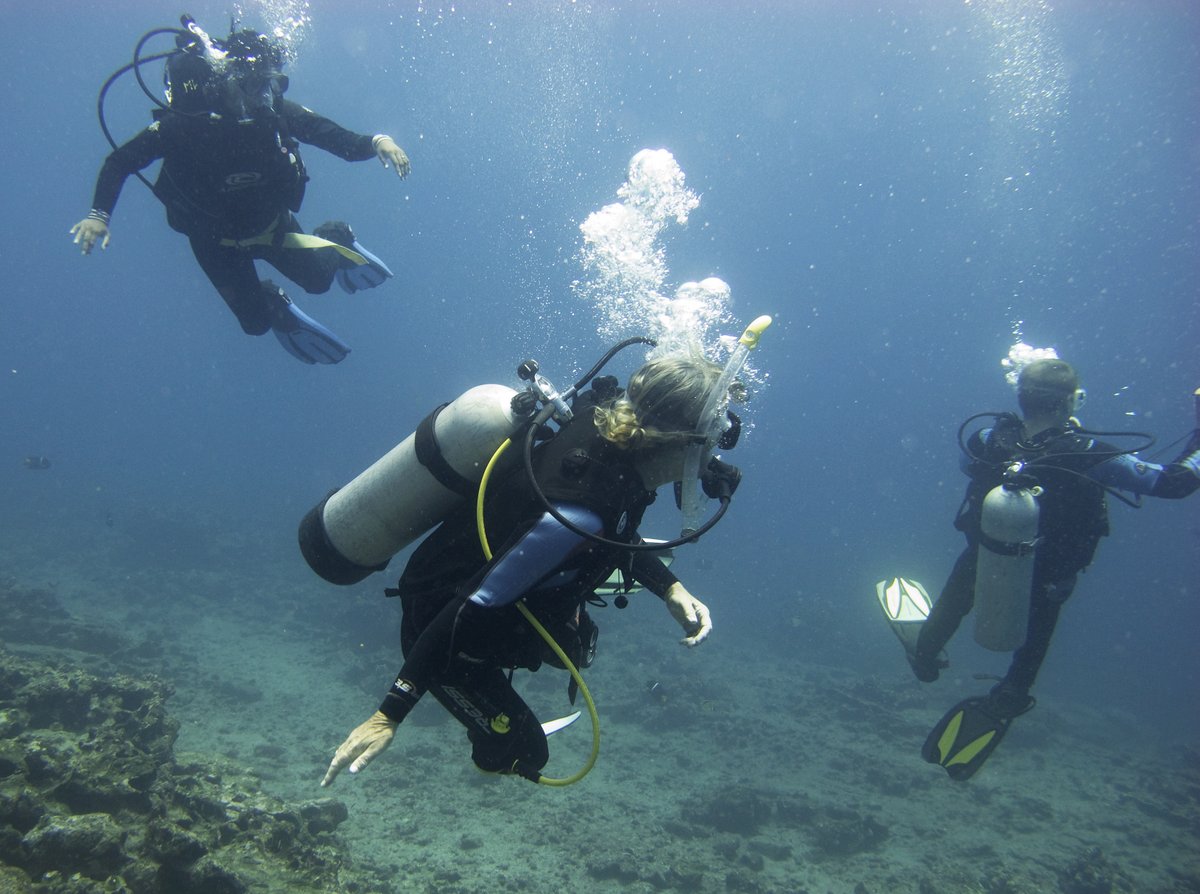
The dive boat from Isabella Dive Centre came to pick us up at half past seven and took us out to Isla Tortuga. There were eight other divers, so they split us up into two groups. Both drift dives were on the windward, eastern side of the crescent shaped island and excellent. They dropped us off close to the rocky shore and, as soon as we had descended to 20 metres, we started to see large pelagic fish – the visibility was over 20 metres and excellent.
Groups of four or more Hammerhead Sharks were swimming past, coming in and out of our sight. They seemed to be more cautious than the large White Tip Sharks, who would make closer passes to our small group. Turtles swam by constantly, often circling us before carrying on with their foraging. A few times, we encountered large shoals of Pelican Barracuda, who would swirl around us – there were so many that it was impossible to see the other divers in the group even though they were a few metres away.


We had four sightings of huge Manta Rays. With over four metre wing spans, these giant creatures fly slowly along underwater, using modified fins to scoop plankton in to their mouths. They are absolutely beautiful to see in the wild.

We could see strong thermoclines, which is a shimmering in the water, caused when cold denser water mixes with warm surface water. One of the reasons that the Galapagos has such plentiful marine wildlife is that a cold, sub-surface current comes across the Pacific Ocean from west to east where it hits the Galapagos Islands and rises to the surface bringing with it rich plankton. Descending down below the thermocline, the temperature dropped very noticeably, but it was worth it to find a yellow Pacific Seahorse, clinging to the rock, harvesting the plankton and small marine animals.

There was so many large pelagic fish that it was hard to know where to look. I hardly glanced down at the rocky sea bed, but managed to get a reasonable photo of an Azure Parrotfish on one brief lull in the visual onslaught. It’s one of the best places that I’ve dived.
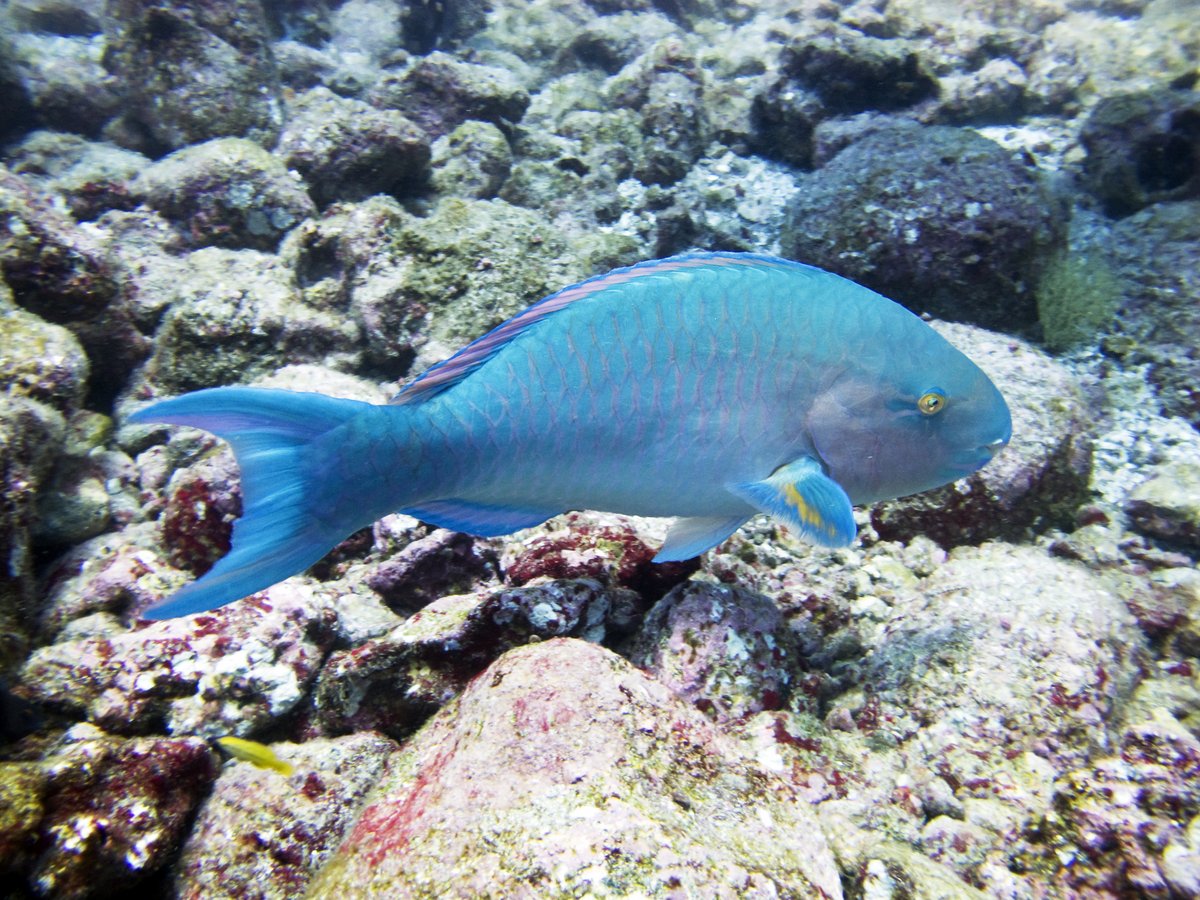
We were back on Alba in time for lunch and spent the afternoon chilling out – Glenys reading while I spent hours editing the photographs and video that had been building up for the past week.
18 March 2014 Isabella, Galapagos
We went shopping in morning, wandering around the small tiendas looking what they had in stock. We snaffled the last of the bread rolls from the bakers and found some cans of beer in a supermarket (at twice the price of mainland Ecuador). There’s not a lot of meat around and I heard several locals asking for chicken which everyone seems to have run out of. We found one shop that had some pork chops, but when they pulled it out of the freezer, it was a solid clump of frozen meat so we didn't bother. We finally found a nice piece of frozen Wahoo which looked more appetising.

There’s quite a collection of wildlife centred around the dinghy dock with lots of Sea Lions lounging about. They've taken over the bench seats and most of the time there are 15 or so blocking our way to our dinghy. Most of the time, we can step carefully between them, but today a bull was sat in the middle and we had to shoo it away. They’re quite intimidating when they start defending their territory.
There’s also a fair number of Marine Iguanas, that lie on the path and board walk heating up in the sun. They often look like they've been run over by a car because they just collapse flat and don’t move even when you step close to them. Then occasionally, one will sneeze out a liquid which sprays out a couple of feet – they have a special gland which they use to extract the excess salt from their bodies. Very weird…

We chilled out on the boat for the afternoon. My stomach’s a bit iffy again. A couple of days ago, before we went diving, I took some Immodium and I think that it’s been controlling the symptoms (i.e. running to the toilet) and not helped in sorting out the problem (i.e. nasty bacteria in my stomach), but I’m not sure what to do. I’ve taken some tablets (“Lacteol Fort”) that a pharmacy recommended in Quito when Glenys had a dodgy tummy, I’ll see what they do.
19 March 2014 Isabella, Galapagos
It was another beautiful day, so we hired a couple of bikes and cycled to the Wall of Tears. The National Park have built a dirt road which runs for 6 kilometres along the south coast of the island and have built a number of short footpaths out to view points and places of interest. We decided to ride directly out to the Wall of Tears and then take our time coming back.
God it was hot! The road meanders its way through scrub-land populated by shrubs and Galapagos Giant Cacti. There’s very little shade and the sun is merciless. We’d each drunk a litre of water by the time that we’d ridden the 6 kilometres.
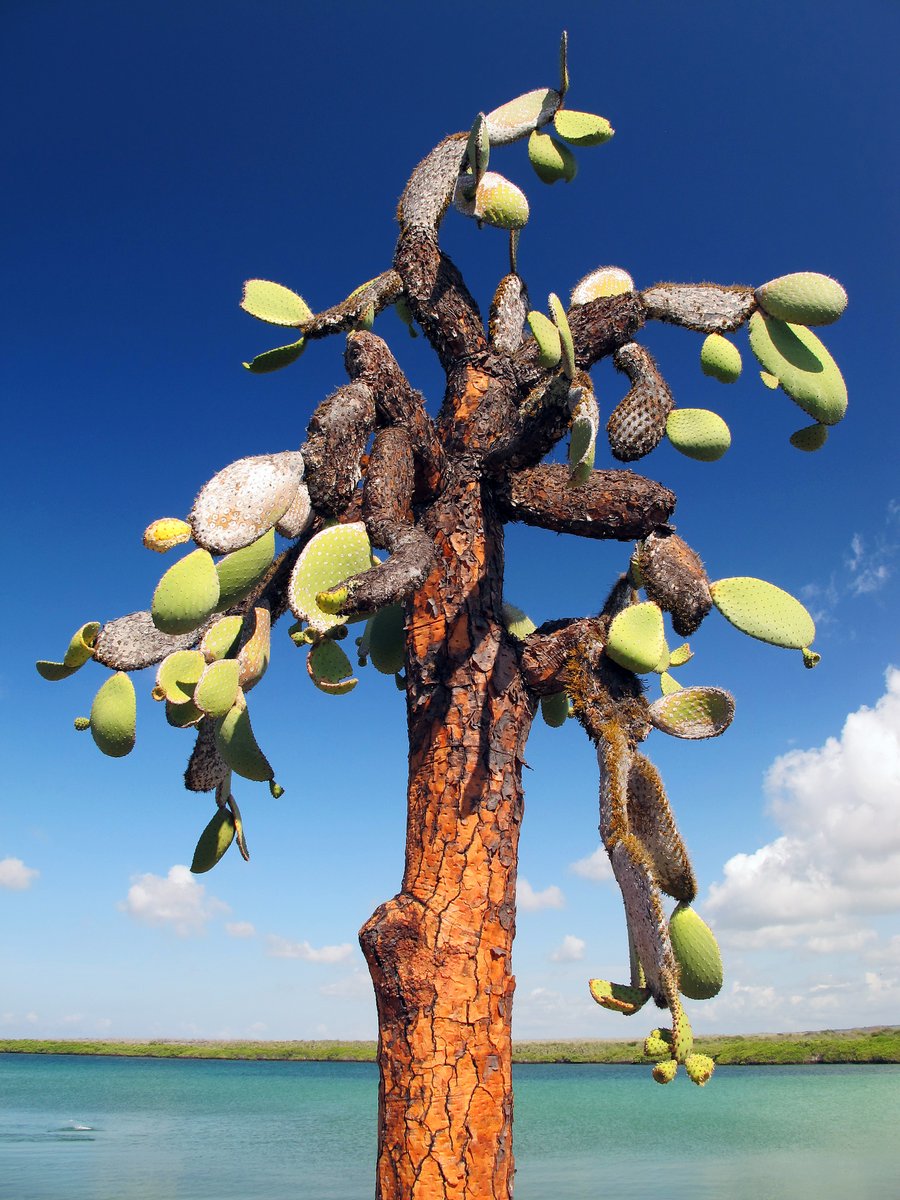
The Wall of Tears is a 7 metre high, 100 metre long wall built from blocks of lava rock. It’s in the middle of nowhere and was constructed by prisoners in a penal colony sixty years ago as a form of punishment. It must have been hell, working away in the blistering heat, building something so pointless. There’s a set of steps leading up a small hill next to the wall which we climbed to get a panoramic view of the south end of Isabella – miles and miles of desolate scrubland.
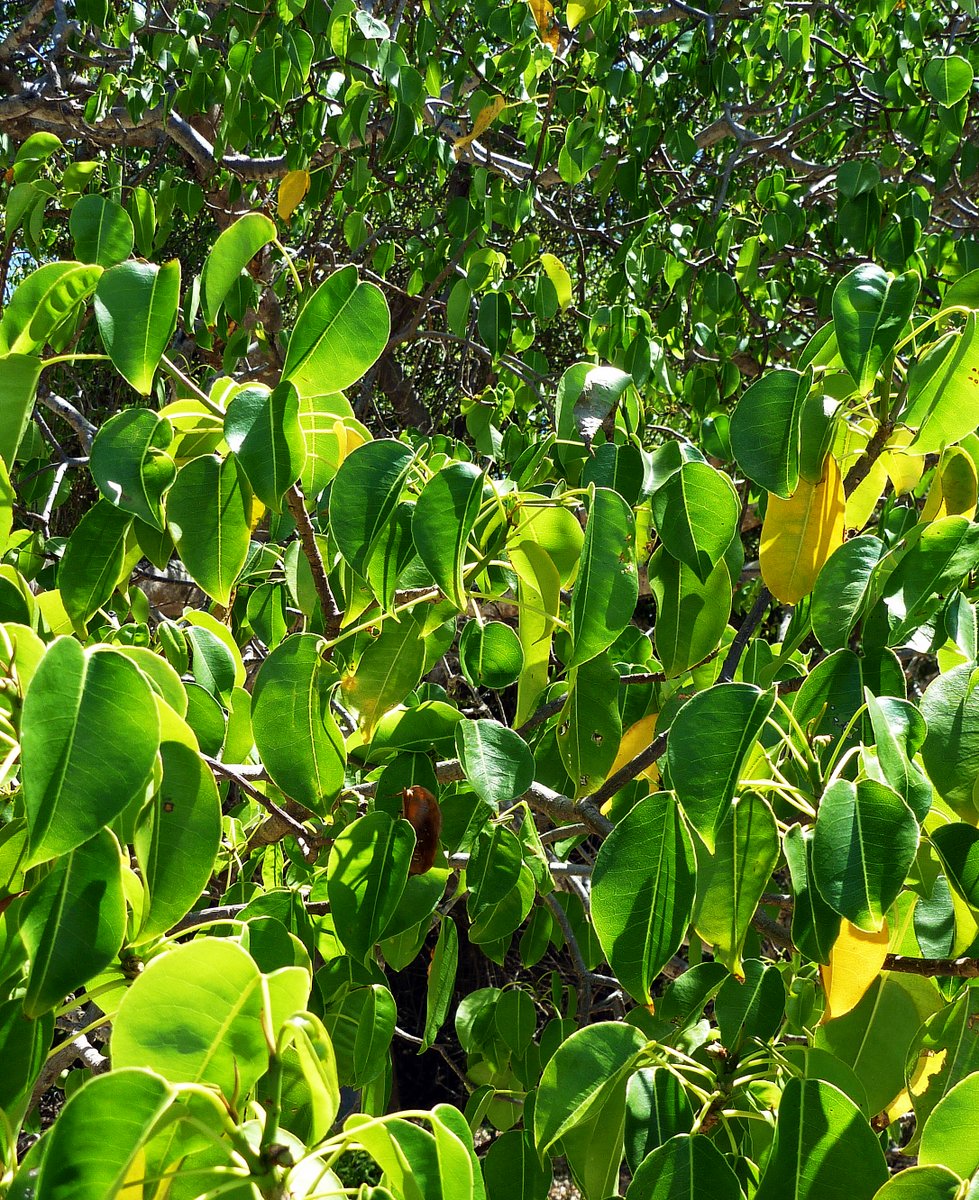
On the way back we spotted a few wild Galapagos Tortoises munching away on the small, green, poisonous apples from the Manchineel Tree. We've seen this tree all through the Caribbean and its sap is so toxic that just standing underneath it in the rain will bring some people out in blisters. I believe that the Galapagos Tortoise is the only animal capable of digesting the noxious apples
We stopped off at a path called “El Estero” that led to a lovely little spot in the mangroves, where there’s a small beach with very clear water. It would have been lovely to go snorkelling around the mangroves, but unfortunately, we were at low tide and the water was only inches deep. (I was a bit gutted because I’d lugged our snorkelling gear all the way up to the Wall of Tears and back…)
Another interesting place was “Tunel del Estero” - a small lava tunnel, which we were able to go inside. These tunnels are caused when the hot magma flowing down from the erupting volcano, cools down on the outside. The molten lava inside continues flowing down to the sea and leaves behind a tunnel – fascinating.
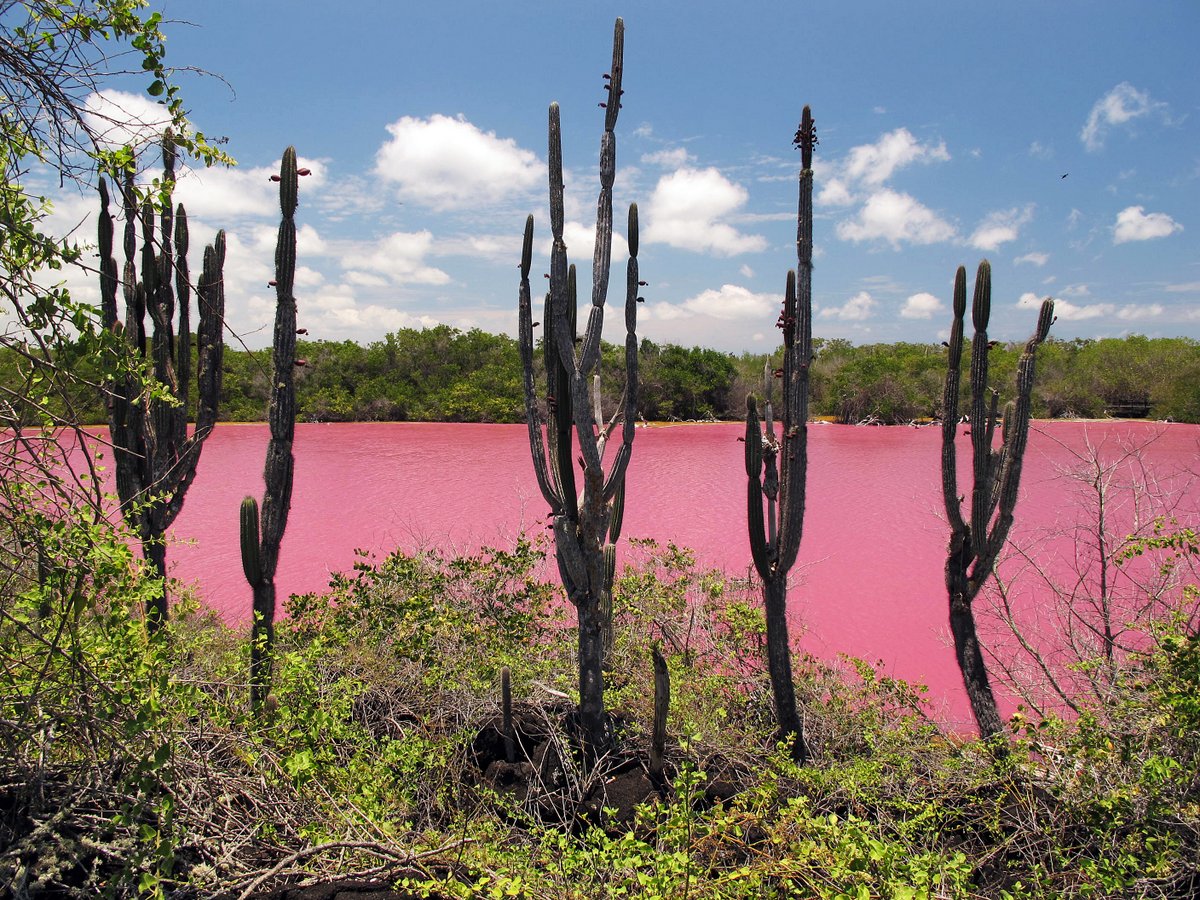
There are a set of saline lagoons along the shore and several paths lead out to these. The most interesting lagoon was a surreal pink colour reminding us of the salt ponds in Bonaire, where the different salinity levels of the water caused different types of algae to bloom creating a kaleidoscope of colour.
After dropping the bikes off, we walked back to the dinghy dock and walked up a short board walk to Concha Perla which is a popular snorkelling spot. It was lovely to plunge into the cold sea after five hours in the beating sun. The snorkelling wasn’t too bad, despite the twenty or so people splashing around – I spotted a big Green Turtle and a Spotfin Burrfish.


20 March 2014 Isabella, Galapagos
I didn’t have a good night, my diarrhoea came back with a vengeance, forcing me to take more Immodium. While I lurked onboard, afraid to leave my beloved toilet, Glenys went into town to do some shopping and managed to find some more “Lacteol Fort” tablets. There’s a small corner shop where they have an impressive range of drugs piled up on an open shelf, which you can buy one tablet at a time. Glenys says that there are even some antibiotics lying around, for which you’d have to have a prescription in the UK.
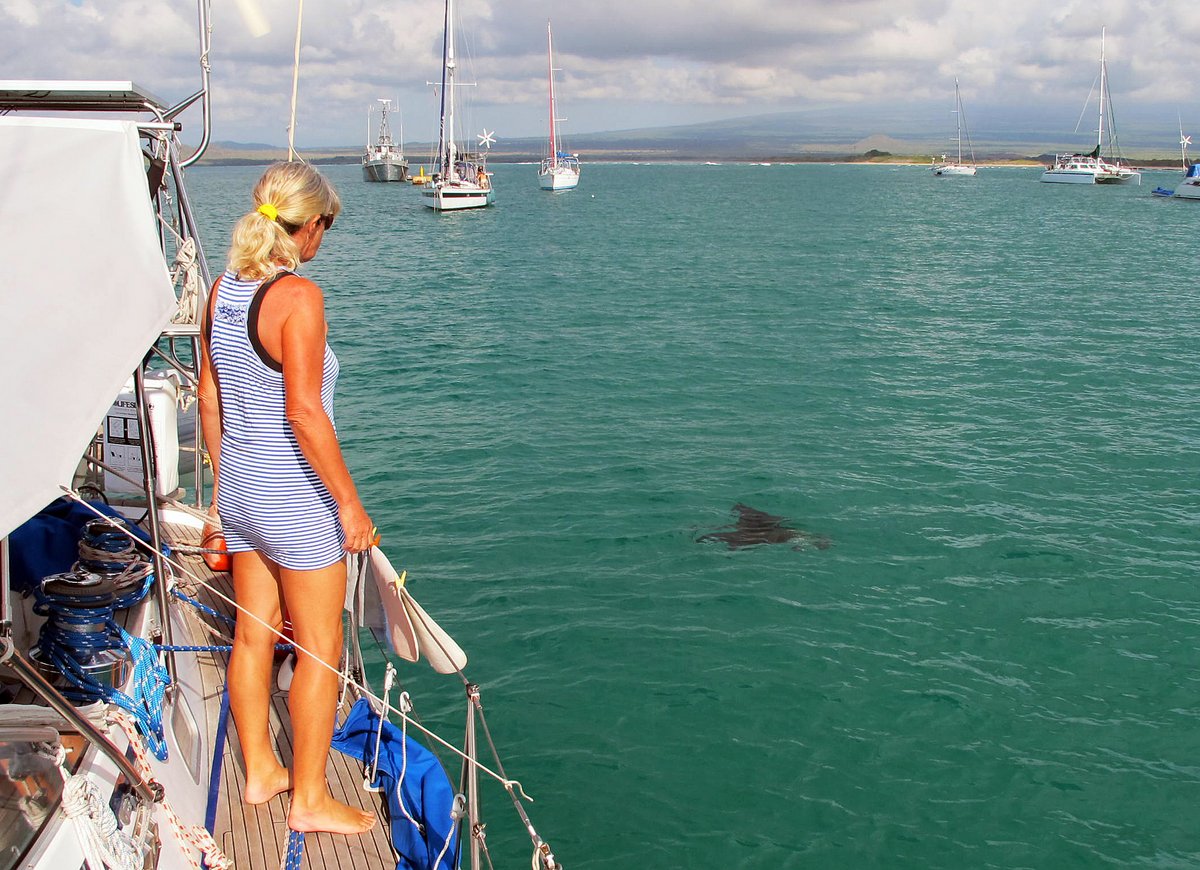
In the morning, I pottered about doing a few jobs including cleaning the filters for the water-maker, which have become very silted up even though the water here appears to be very clear. I reckon that it’s mostly plankton that’s being filtered out, so I’ve soaked the filters in some Sodium Metabisulphite solution to try to kill the organisms off.
In afternoon, I spent some time on guitar music, trying to work out how to play Sunny Afternoon by the Kinks. It’s a fabulous tune, but there’s some very weird chords and different rhythms going on that are beyond me at the moment. I seem to have lost my motivation for playing the guitar at the moment perhaps I need a guitar buddy.
“Salamander” arrived in the later afternoon from Santa Cruz. Charlotte is a doctor, so I scooted over to ask her opinion about my dodgy stomach. She tells me that if it’s been going on for 5 days then I should be thinking about taking an antibiotic. The “Lacteol Fort” that I’d been pinning my hopes on are just tablets to add a "good" type of bacteria to my stomach, which apparently won’t do much good. I shouldn’t really take Immodium because all it does it to bung one up, so now I’ll have to wait until I’m un-bunged to see if my stomach has sorted itself out.
Mike and Rosie from “Shakti” came for beers. They’re from Australia and have spent several years in Malaysia and Thailand. They absolutely rave about the area, so we picked their brains for most of the evening. It sounds like it would cost $350/month to keep the boat in a marina in Malaysia and flights to Australia are very cheap, so we’ll almost definitely sail past Australia without stopping and then fly back there for a long road trip.
21 March 2014 Isabella, Galapagos
SLAP! SLAP! I slowly dragged myself out of a deep sleep.
SLAP! “Got the little bugger”, said Glenys.
For the last few days, the wind has deserted the anchorage and it’s very airless until the sea breeze picks up later in the day. This has brought with it a small plague of house flies, which arrive at dawn and go away at dusk. They’re very irritating, landing on exposed skin then darting away at the slightest movement to return moments later. We kill them off methodically during the day, but they’re at their most annoying early in the morning when we’re trying to sleep.
It’s about time that we started our passage across the Pacific to the Marquesas and we’d like to go next week, so I downloaded a GRIB file to check the winds. Unfortunately, the wind is remaining light and variable around the Galapagos for the next seven days and there’s no sign of it changing. It looks like we’ll have to just accept that we’ll have to motor for a couple of days to get down below 5°South to pick up the south easterly trade winds. We’ll review it again in a few days’ time.
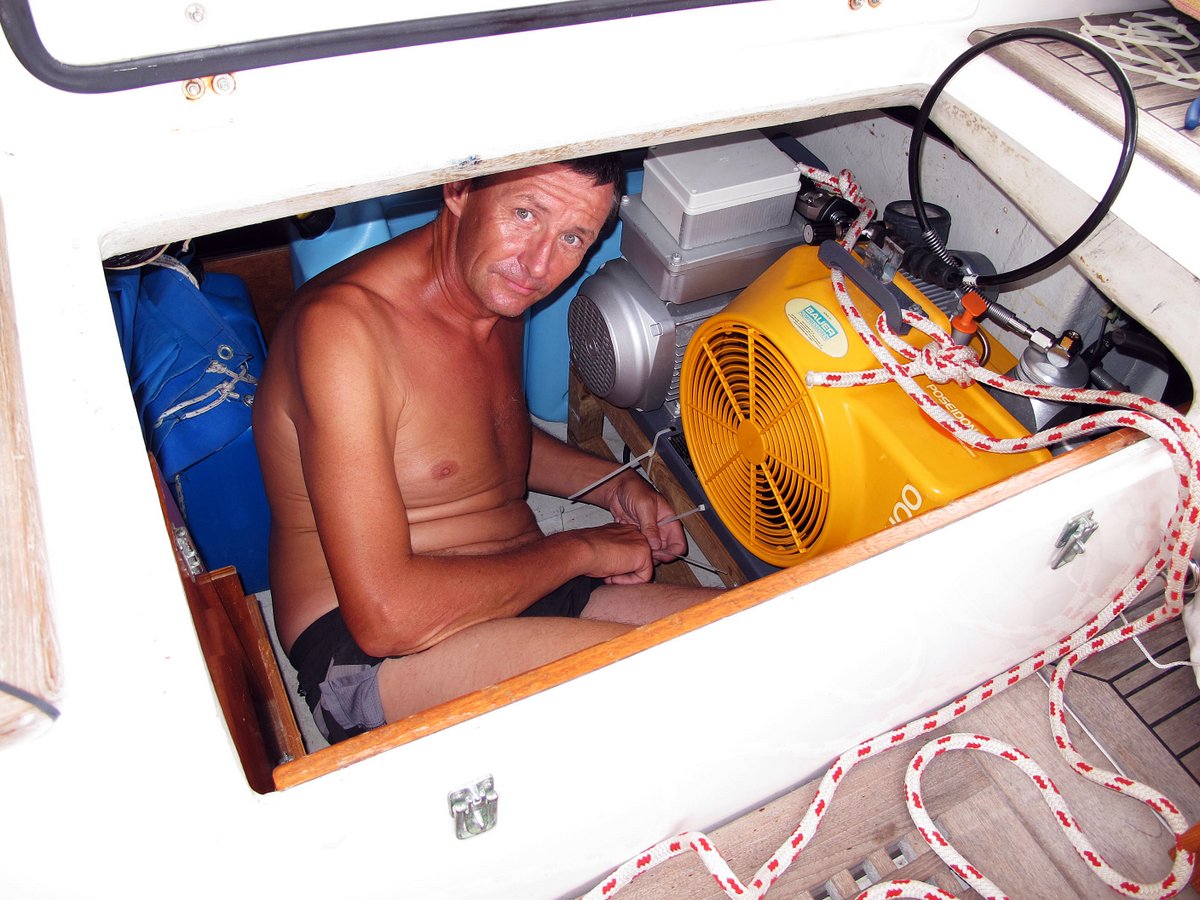
I got on with a few jobs, the main one being to service our dive compressor that hasn’t been run for nearly a year. With some trepidation, I started up our generator and started the compressor and to my amazement, it ran fine and came up to pressure quickly. I ran it for ten minutes to clear the system and then filled the air tank that I’d used to scrub the hull when we left mainland Ecuador.
After lunch, when the compressor had cooled down a little, we pulled it out of its home in the cockpit locker and I gave it a good inspection and service. It was fairly straight forward, just changing the oil and the primary air filter. Everything looks good, so I put it back in the cockpit locker. As usual, it was a struggle to get it back in position, taking a lot of grunting and cursing and then having to crawl into the cockpit locker to strap it in place with cable ties – not a nice job in this heat.
Glenys spent a few hours in the water, cleaning the waterline and the hull because we’ve got quite a bit of growth over the past three weeks since the hull was scrubbed in San Cristobal. There was a thin coating of slime on the antifoul and long fronds of green algae hanging down off the hull just on the waterline. The propeller is covered with barnacles and the keel still needs doing, so that will be one of my jobs tomorrow.
In the late afternoon, we wandered into town and looking to buy some antibiotics that we can use to treat persistent diarrhoea. Charlotte from “Salamander” recommended Ciprofloxacin and Metronidazole, but I didn’t hold up much hope of finding them in this sleepy little place. After wandering around for a while, we eventually found a small pharmacy and to my amazement, they had the drugs and were willing to sell them to us without a prescription. We bought two courses of both drugs for only $18 – sorted!
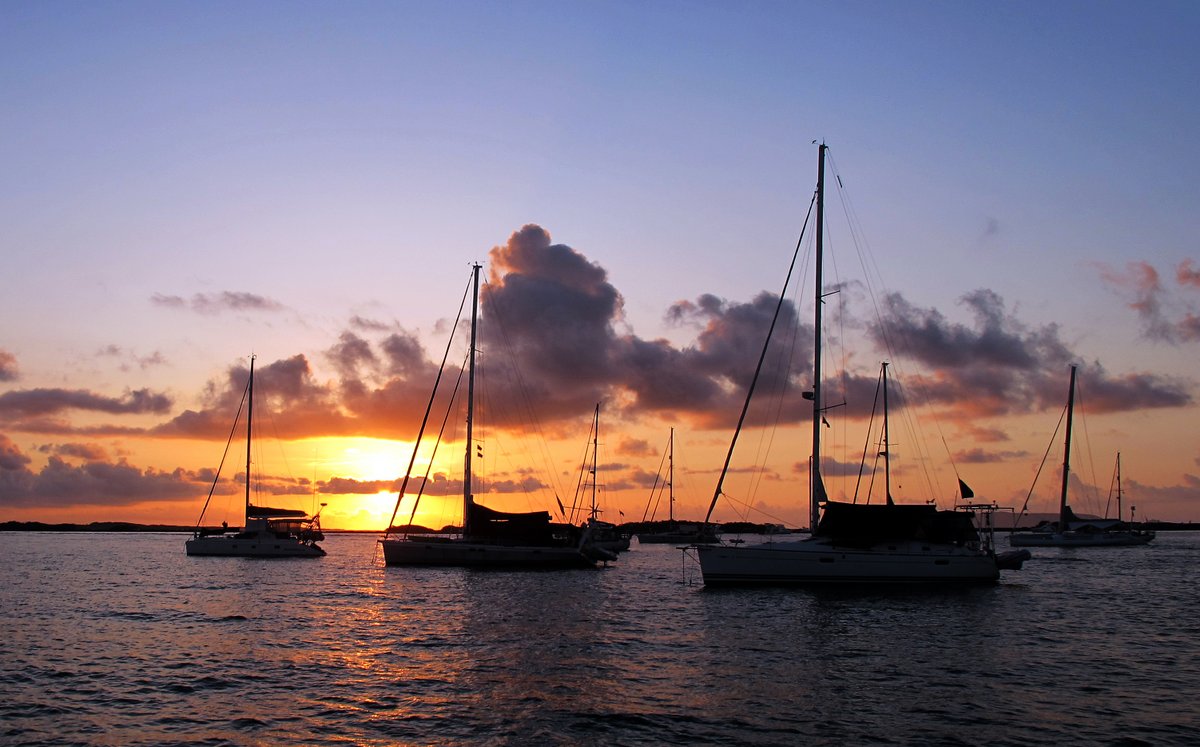
We met Michael and Charlotte from “Salamander” on the beach and went for a couple of beers in a bar before going back to their boat to have a barbeque with some tuna that they bought on the dinghy dock this morning.
22 March 2014 Isabella, Galapagos
The vegetable market on a Saturday is supposed to be good as long as you get there at six o’clock in the morning, but we couldn’t be bothered to get out of bed. “Salamander” went but they said that it wasn’t that great, so we’re glad that we didn’t get up early. Instead, we sauntered into town at half past nine, just in time to catch the baker before he closed up at ten o’clock.
Glenys then dragged me around town, calling in at various tiendas and small supermarkets, buying the normal things like beer, wine, milk and something for dinner.
We’ve not had an internet connection on board for the past three or four days. I can link to one WiFi router, but it doesn’t have any internet connection. I’m pretty sure that they need to reboot their router, but I can’t really ask them to sort it out because I’m using it without permission. I managed to access the administrator login page for their router and spent a couple of hours trying to hack my way in, so that I could reboot the router, but I’ve not got the correct hacking tools to do it - very frustrating.
Later in the afternoon, I inspected our steering gear which was feeling a little stiff on the sail to here from Santa Cruz. To my relief, there doesn’t appear to be anything wrong, but I think that I over-tightened it when I did it a few weeks ago. I slackened it off a little and it seems much better. The last thing that we want is problems with our steering on our passage to the Marquesas.