
23 September 2015 Lovina Beach, Bali
Today was taken up by chores. My first job was to top up our diesel tank with fuel from our three jerry cans, which is my least favourite job on the boat - the cleaning up always takes twice as long as the actual pouring.

Our adoptee local boat “Peter Pan” came over and I asked him to fill our jerry cans and also to bring me a further 75 litres of diesel. He’s charging 11,000 rupiah/litre to deliver it to our boat, which is 3,000 rupiah ($0.20US) more than the pump price, but I’m happy to pay to get it delivered. He also sells cases of beer for 400,000 rupiah, which is a good price, so we ordered six cases, which should keep us going until Singapore.
Having arranged delivery for the afternoon, we picked up Karen from “Red Herring” and found a taxi to take us to the nearby city of Singaraja. The taxi driver was called Zai and we negotiated a price of 200,000 rupiah ($14 US) for two hours of his time, which seemed fair to me.
Our first stop was to try to get a new capacitor for the water maker pump and to my amazement Zai managed to find a shop that sold them within fifteen minutes. I bought two - one to fit now and one as a spare. Zai then took us to the Carrefour supermarket, which was okay - they had the basics, but nothing special.
On the way back, Zai told us about the guided trips that he runs. He’s such a nice guy that we arranged for him to take us to Ubud on the 25th for 600,000 rupiah for the four of us.
We took our shopping back to the boat and, after a quick lunch, went ashore again. We wandered around in the blistering heat, but succeeded in ticking most things off our list - we got our iPad data SIM card topped up; talked to some dive shops about prices for going scuba diving; picked up our laundry; and dropped off another bag of dirty laundry.
“Peter Pan” had delivered the diesel and beer by the time that we got back to Alba. It was just sitting on the aft deck, which is very trusting considering that it’s all worth $280US. I immediately got on with pouring the 75 litres of diesel out of his containers, which didn’t pour well, so I made a right mess of our lovely teak deck - it took half an hour to clean it up. “Peter Pan” called by an hour later and we paid him his four million rupiah.
By the time that I’d sorted out the fuel and beer and Glenys had packed away the provisions, it was five o’clock and Miller Time. Some days are just plain hard work.
24 September 2015 Lovina Beach, Bali
Bali is predominately Hindu, so I was hoping that we would be free from the pre-dawn Muslim Call to Prayer. Unfortunately not - the Mosque here seems to be particularly loud. However, despite the early wake-up we managed to have a nice long lie-in.
Later in the morning, we nipped ashore. Our first stop was to arrange a dive trip on the 26th; we then stopped off at a small grocery shop to buy some bread. We had intended to walk a kilometre to the local market to buy some vegetables, but it was so blisteringly hot that we lost the will and ran away back to Alba.
In the afternoon, I fitted the new capacitor to the water-maker. I ran it for an hour to test it and all seems good. I then had a look at our dive regulators, both of which have a problem. The plastic cover on the front of our second stage regulators have cracked and the purge button has fallen off. I used some 4200 adhesive sealant to stick the button back on and will see if it has worked tomorrow.
Roger and Lucy from “Catamini” invited us over for sunset drinks with “Red Herring” and “Laragh” who arrived today.
25 September 2015 Lovina Beach, Bali
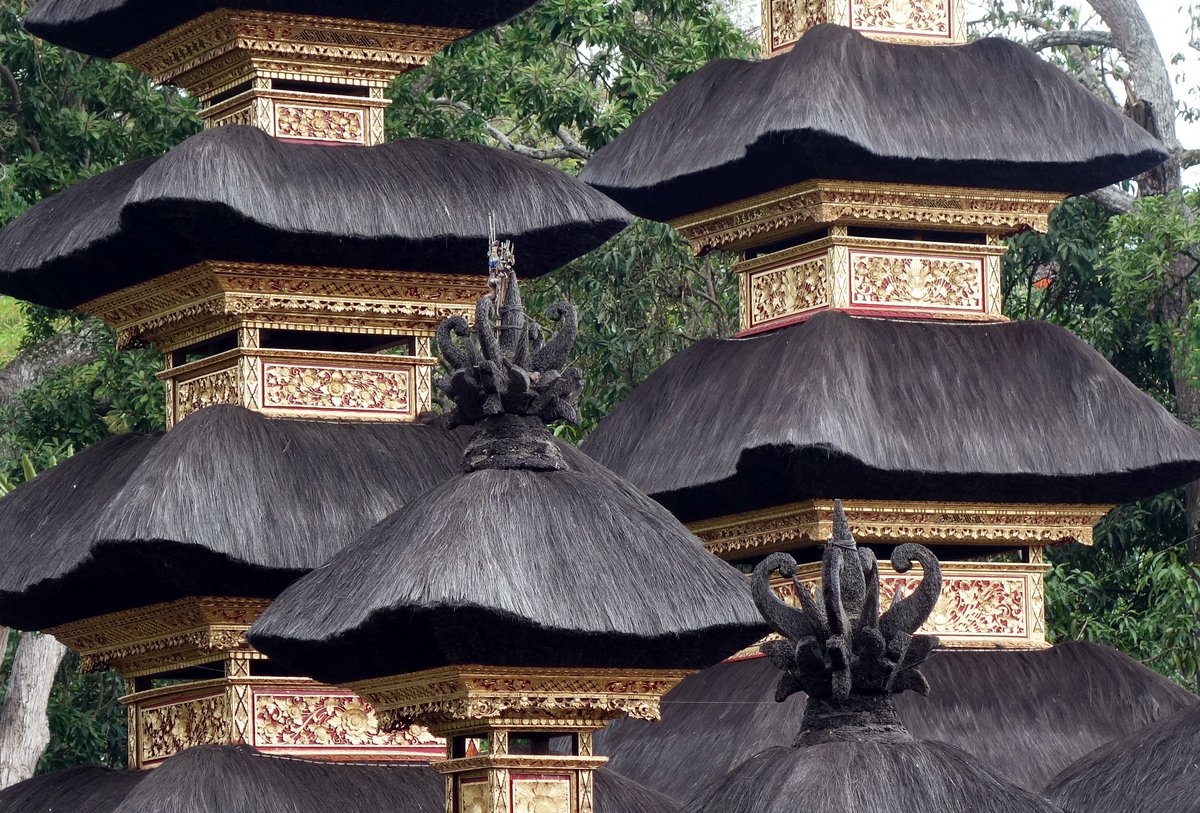
We had another day trip around Bali with “Red Herring” and our driver Zai. Our first stop was at the small village called Kintamani, where we spotted villagers decorating their temple (Pura Tegeh Kahuripan). We pulled over and Zai (who is Muslim) stayed in the car, while we donned our sarongs and went to visit the temple.
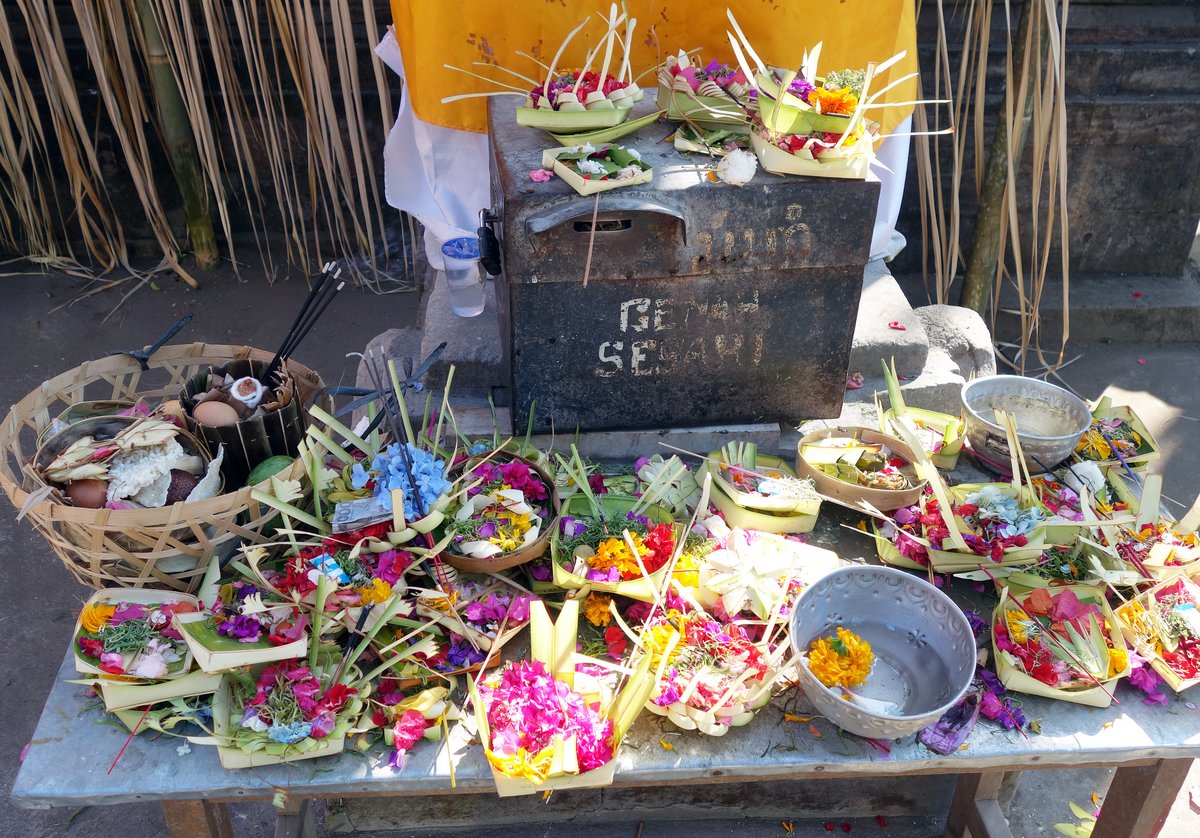
At the entrance, a lady took 20,000 rupiah as an entrance fee (obviously only charged to tourists) and then sold us offerings for 10,000 rupiah each, which we placed on the table at the entrance with all the other offerings. These offerings are very pretty, consisting of flowers and leaves in a small tray made from coconut leaves. The lady lit some incense sticks which she placed over the offerings; then she splashed our heads with water and placed some dabs of rice on our foreheads. Another dab of rice at the base of our necks and a flower in our ears completed our purification and we were allowed to enter the temple.
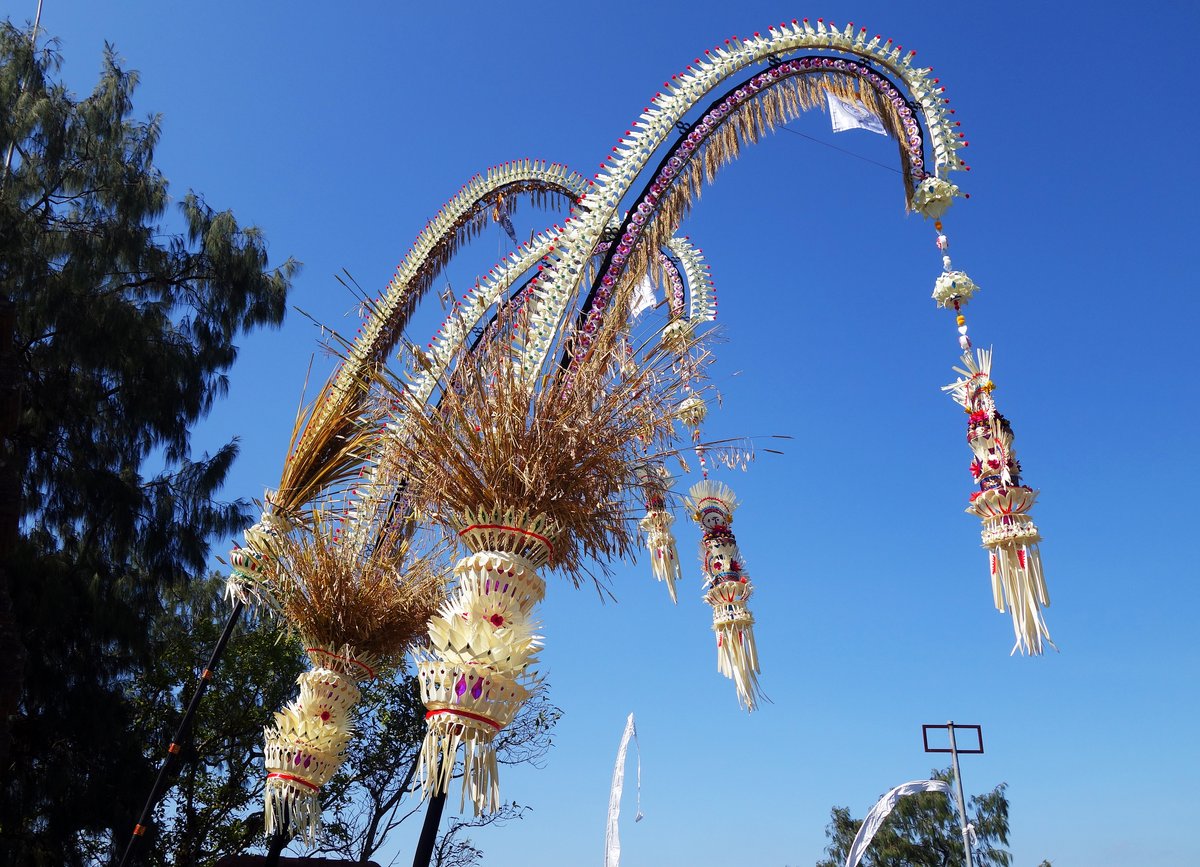
There’s an equinox full moon on the 27th, so most Hindu temples are holding a ceremony on that auspicious day and the villagers are preparing the temple. Trucks were arriving at the temple entrance with long bamboo poles that were being turned into Penjor, which are beautiful drooping decorations made from brightly-coloured, dried coconut leaves.
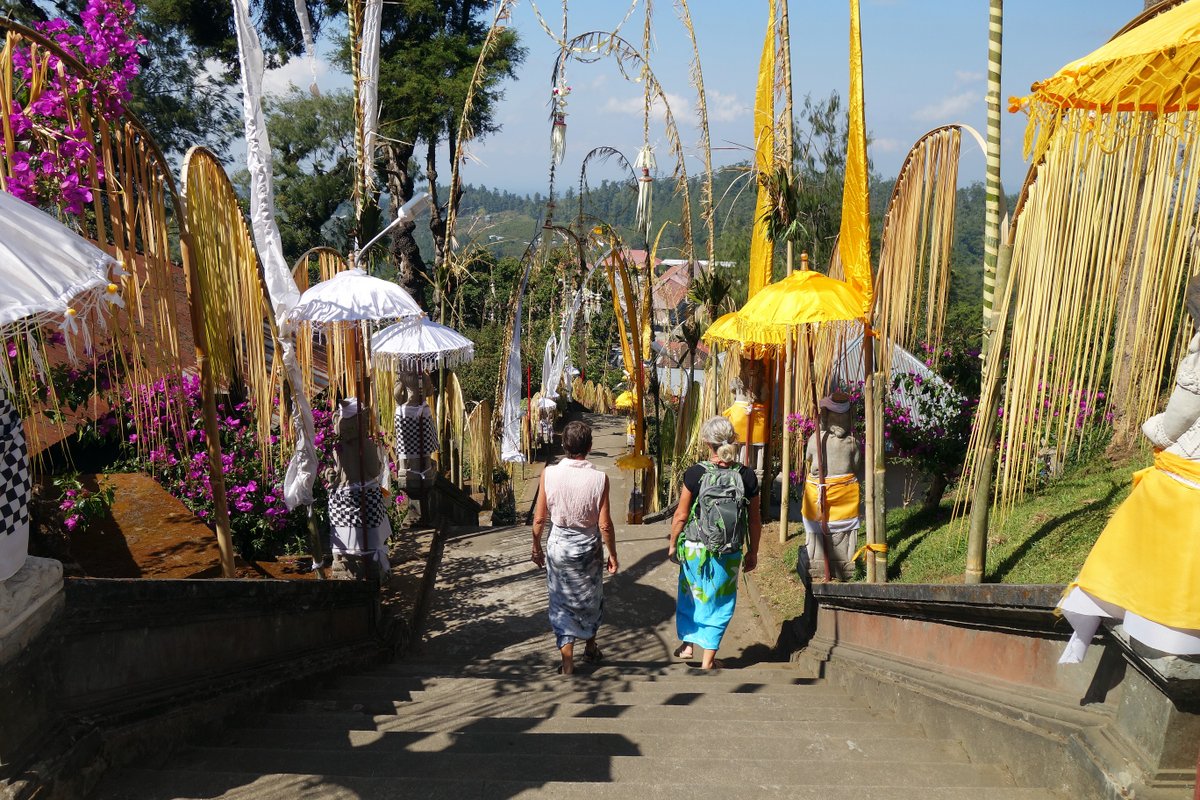
The temple is built on the side of a steep hill, so we walked up the stone steps, saying hello to the locals and, being the only white people there, we were the centre of attention. At the top of the stairs, we found a courtyard, packed full of men, women and children all doing their part in the preparations. Children were walking around with long curved knives to cut bamboo fronds, men were carrying long Penjor and the ladies were sitting in the shade manufacturing offerings and chatting.
We found another set of steps leading up to the inner temple. Before we were allowed up, a man splashed water on our heads, presumably to purify us even more. The temple had a series of covered platforms, which contained idols of the various Hindu Gods, such as Brahama (a three faced head) and Garesh (the elephant). Some of the idols were obviously very old being weather worn and in some cases broken, but they were all dressed in white sarongs.
It was a lovely temple, set on a hillside and the people were all very friendly. It was nice to be off the beaten tourist track.
Our route took us higher into the mountains and we had a great view of the three major Balinese volcanos (Batur, Abang, Agung) - all in a line. Apparently, it’s possible to do a marathon hike which ascends all three volcanos in 24 hours - too much for me, I’m afraid.
Zai called in at a small place that makes and sells Luwak Coffee. This coffee starts life as normal red coffee berries, which are eaten by small Civet-like animals called Luwaks. While the coffee beans are inside the animal’s stomach, a fermentation process takes place and the beans pass out whole in the animal’s poop. The dried beans are collected from the forest floor, cleaned and roasted like any other coffee bean. The resulting coffee is said to be rich in flavour, tastes slightly of chocolate (and is very expensive). I don’t like coffee, so I can’t comment, but Graham said that it’s not that special.
We stopped off at Tegalalang Rice Terraces, where we had our first taste of a major tourist attraction. The road through this small village was crammed full of minibuses and there were hundreds of tourists milling about. Zai dropped us off and we pushed our way past souvenir hawkers and down onto the paddy fields.
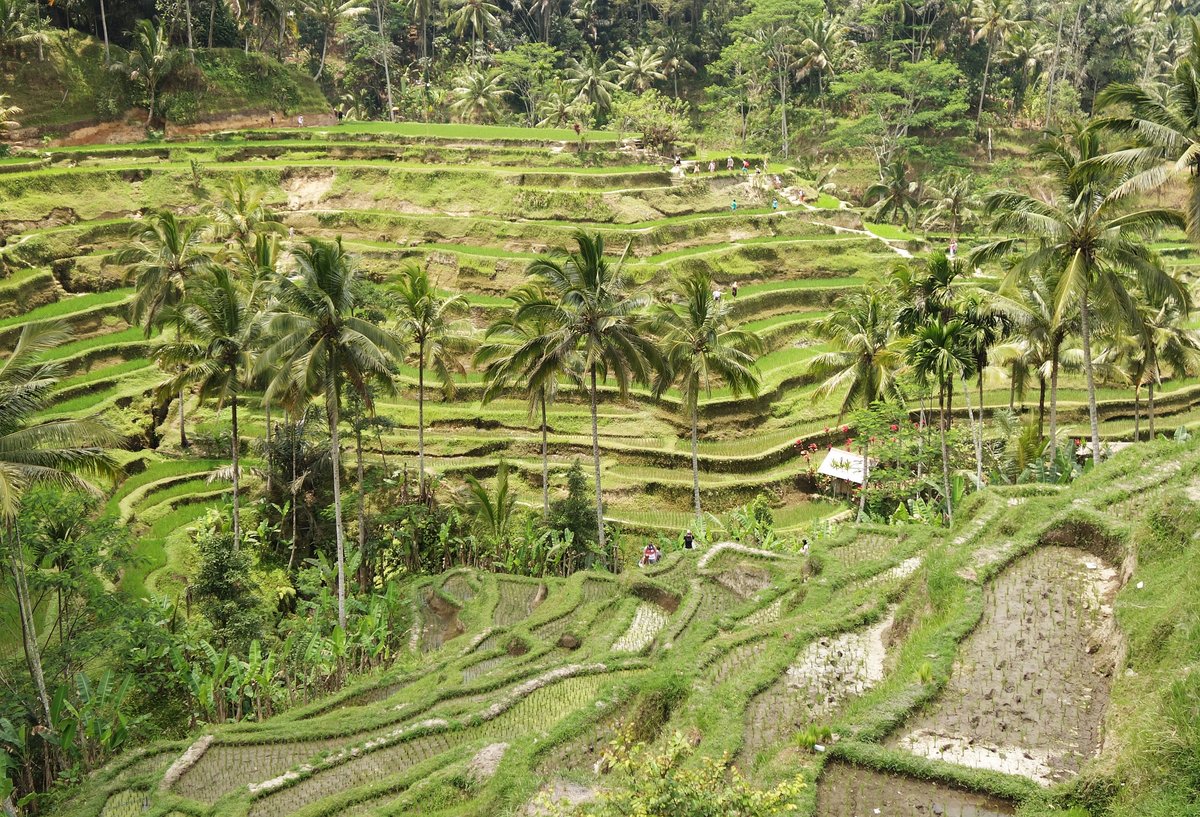
The rice fields are beautifully terraced on steep slopes following the contours of the hillside. It’s very photogenic and it’s understandable why it’s so popular. Unfortunately, there were hundreds of people trudging around the narrow paths, so it was difficult to get a photograph that didn’t contain a group of tourists taking “selfies”.
We continued into Ubud along very busy roads lined with shops selling wood carvings, stone carvings, jewellery, clothes and art. This area is renowned for artisans and buyers come from all over Bali and the rest of the world, to buy Balinese items in wholesale. Most of the shops have signs claiming that they can make anything to order. We didn’t bother to stop.
After a quick meal at a roadside Warung, we went to the Elephant Cave temple (Goa Gajah). Threading our way through the masses of tourists, we descended some steps into a lovely valley where we found the main temple area. There are lots of ancient idols dotted about; some beautifully decorated shrines and a bathing pool with some statuesque fountains.
The main temple dates back to the 11th century and is a cave with a very impressively carved facade shows a menacing giant face with its wide open mouth as the door. Various motifs depicting the forest and animals are carved out of the outer rock face. The tunnel inside the cave is T-shaped with the left passage containing a small niche with a statue of Ganesh, the Hindu elephant god. The right passage holds a small worship area with several stone idols in honour of Shiva.
It didn’t take long to look inside the cave, so we went for a walk around the grounds, which have nice shaded paths. There’s apparently an old Buddhist temple in the grounds as well, but we missed it somehow. This was a pleasant, interesting place to visit.
By this time, we’d had enough of temples and tourists, so after working our way back through the traffic jams in Ubud, we had a short stop at a posh hotel that has some lovely terraced gardens where we were allowed to stroll around. It was a long drive back to Lovina Beach, but we were back on board Alba by six o’clock, downing a welcome cold beer.
26 September 2015 Lovina Beach, Bali
We went diving for the day with Sunrise Scuba (2 dives including park fees and transport for $50US each). Together with Jon and Sue from “Ocelot”, we were loaded into a mini-bus and driven for 80 minutes to the Menjangan National Park on the north-west corner of Bali. From there, we took a local boat for a 20 minute ride out to Menjangan Island. This is a popular diving and snorkelling spot and there must have been over 20 boats moored at the island each with 4-8 people.
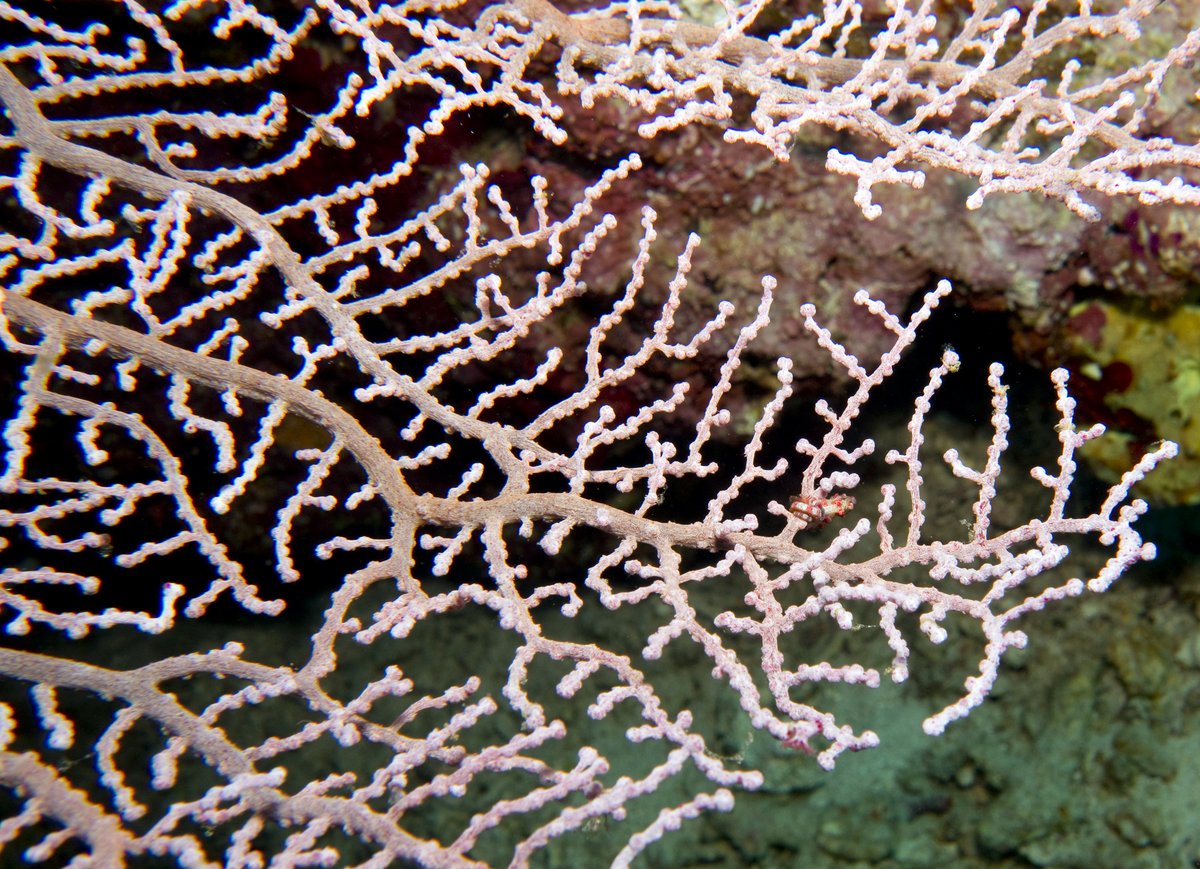
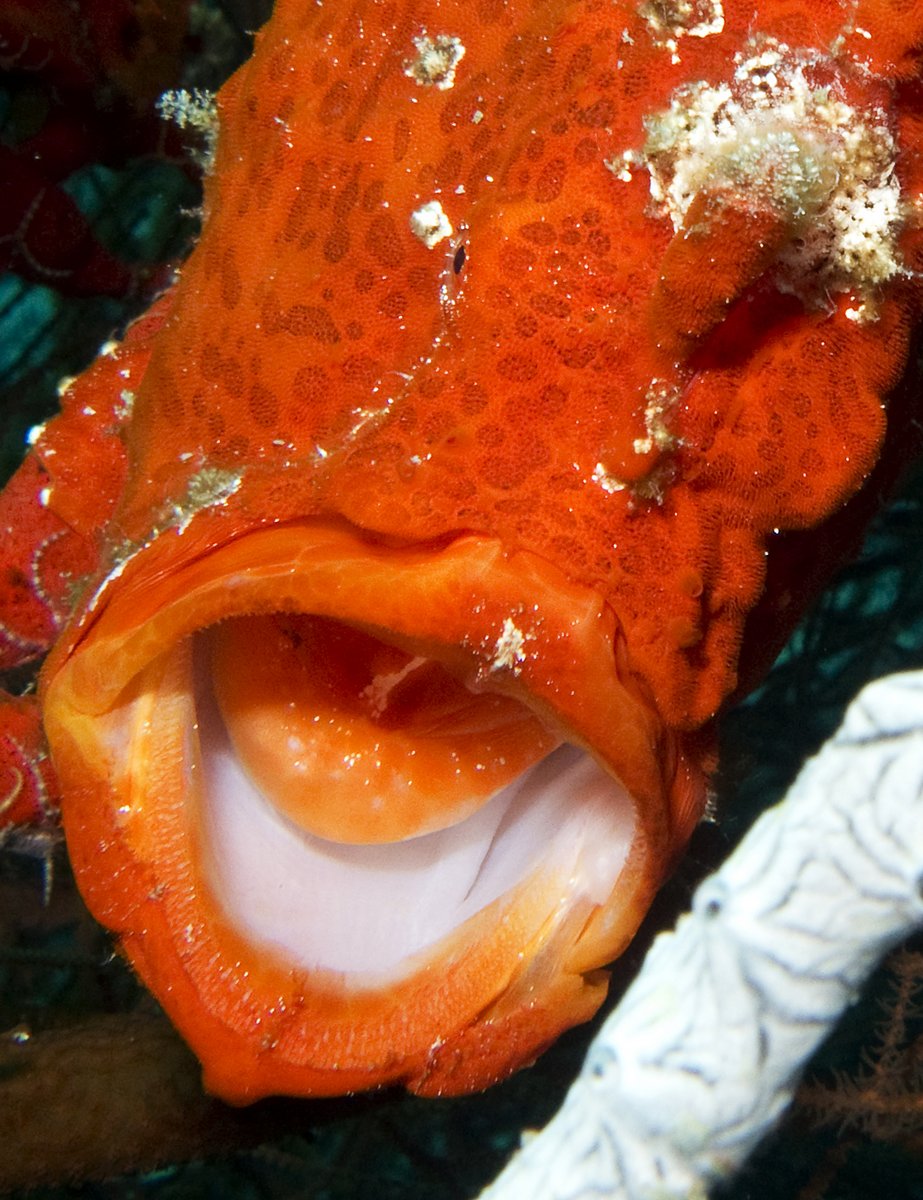
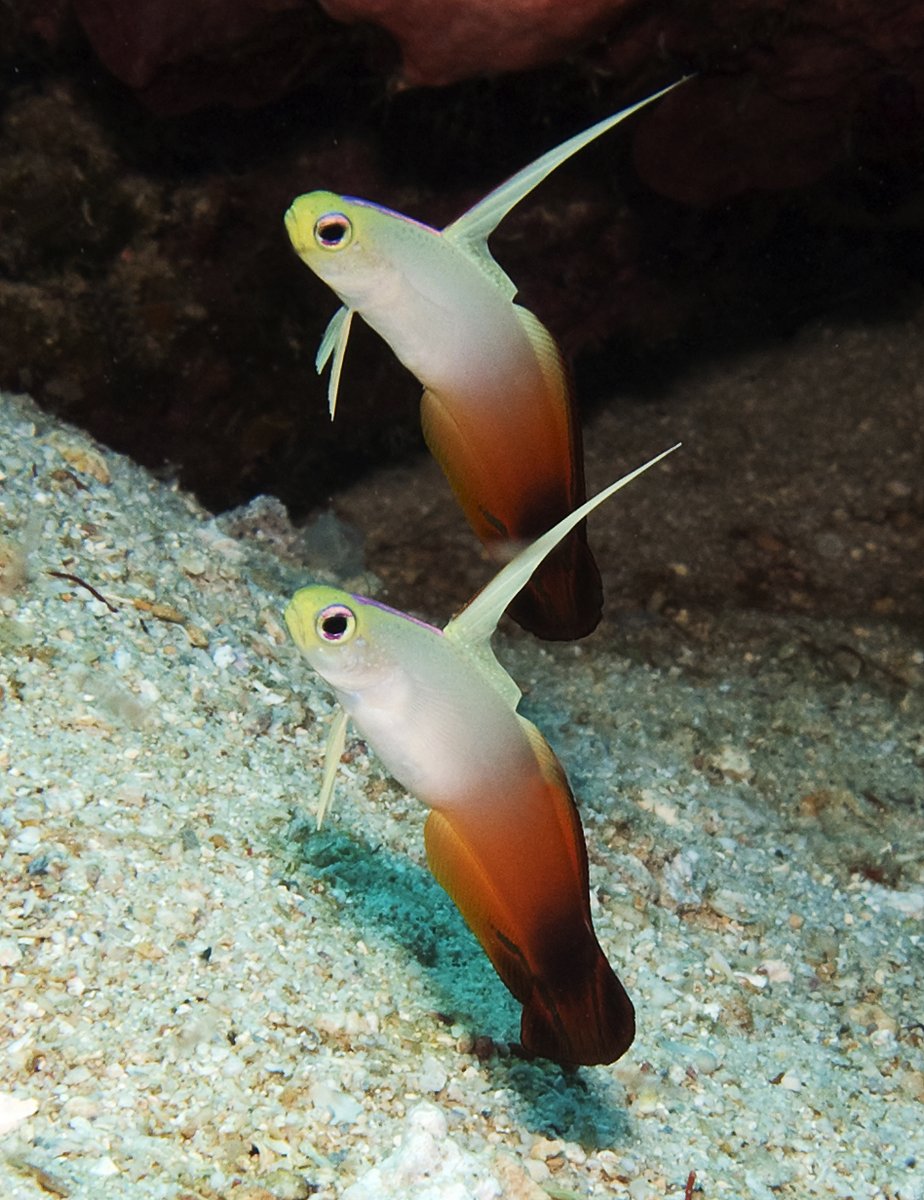
Our first dive was on the south side of the island and we descended from the moored boat down to a vertical wall that was over 75 metres deep. We followed the reef at 25 metres heading east and, in the clear water, spotted an interesting red GiantFrogfish and some cute Fire Dartfish. We drifted along in the current and the dive boat picked us up at the eastern end of the island.
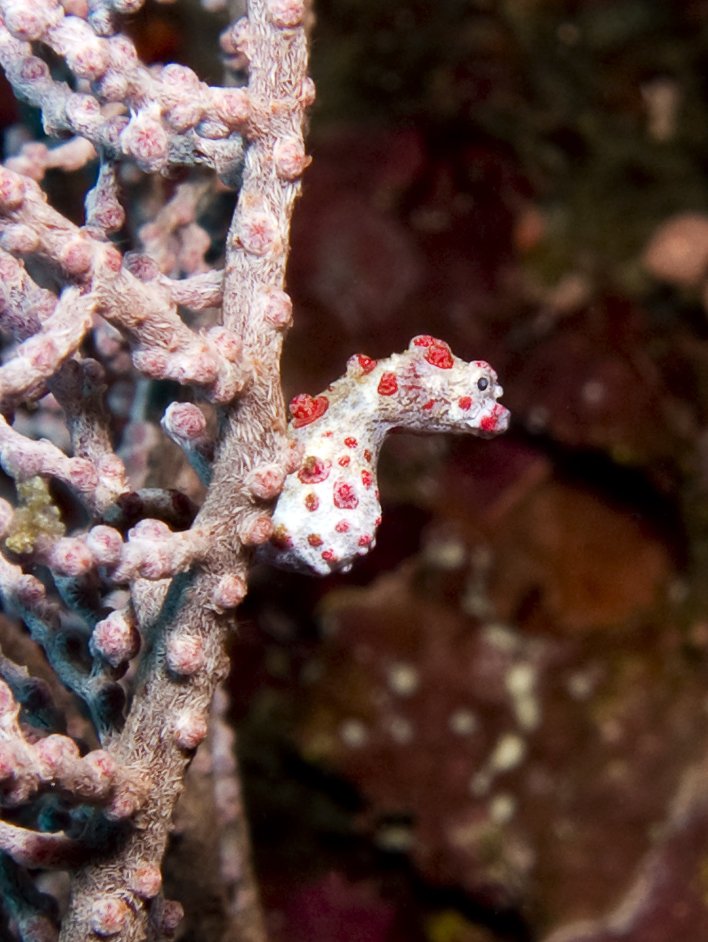
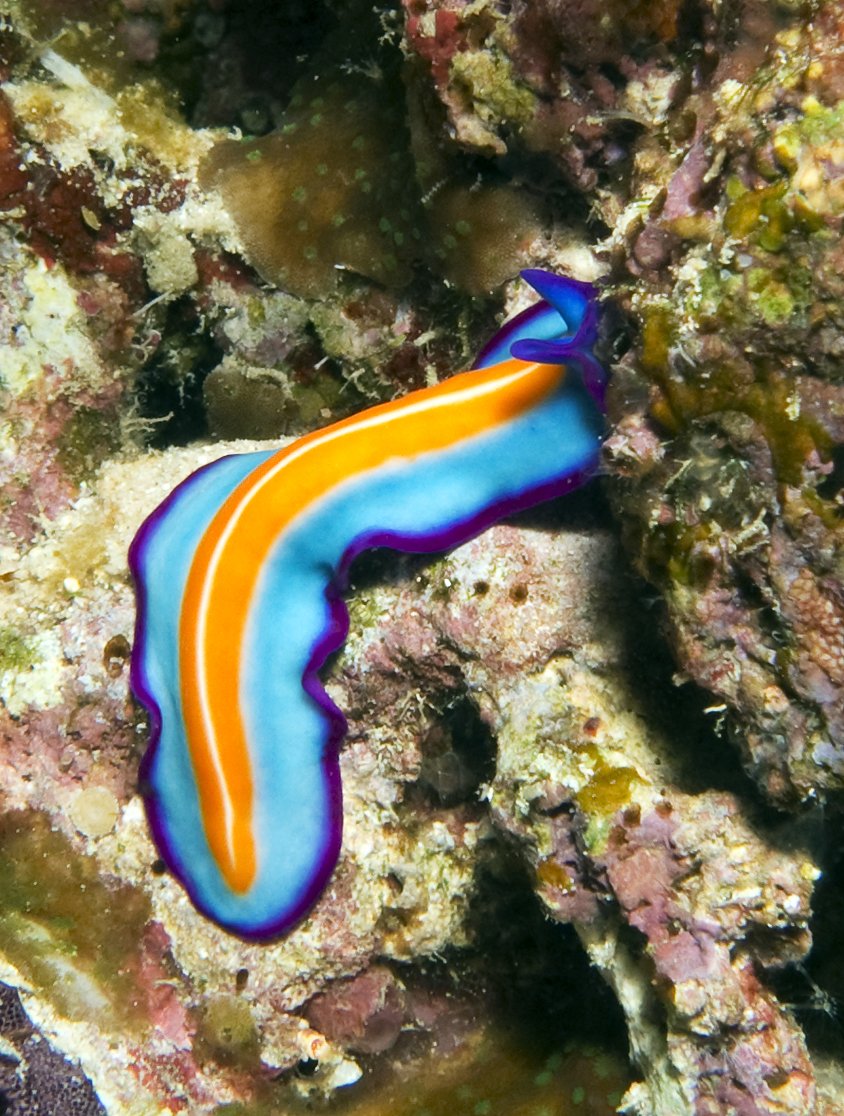
After a basic lunch of Nasi Goring, we did a second dive on another wall on the north side of the island. It was another drift dive and nice coral. The dive master found us a Pygmy Seahorse, which was only only ¼” long and incredibly difficult to see, but I managed to get a photo of it. We also found a stunning blue flatworm called a Susan's Flatworm. Despite there being hundreds of tourists about, we didn’t see any other divers on either of the dives, which was fabulous.
After a long drive back to Lovina Beach, we were back on board Alba by six o’clock.
27 September 2015 Lovina Beach, Bali
After the last couple of days of frenetic tourism, we had a quiet morning on board, planning where to go next. The next stop for the rally is Kumei in Borneo, where a two day trip up a jungle river to visit an Orang-utan sanctuary is supposed to be the highlight of the whole rally. However, some boats have already been to Kumei and have reported that the river and town are covered in thick smoke and ash from forest fires.
Some of the smoke is caused by accidental fires at the end of the dry season, but much of the smoke is cause by Palm Oil farmers burning the jungle to clear land for their crops. “New Dawn” is there at the moment and Paul has told us that their boat is covered by a thick layer of ash and the smoke is so thick that visibility is down to 50 metres and the local people are walking around in face masks. It sounds absolutely horrible and not likely to improve for weeks, so reluctantly, we’ve decided to miss out Borneo.
Our plan is now to sail to a small island called Bawean, which is 230 miles away and then after a couple of days there, sail onto another island called Karimanjawa, which is a further 130 miles. After that we have another 230 mile passage to Belitung and then we’ll do smaller day/overnight hops to Singapore. We only have four weeks before our visas expire and we have to leave Indonesia.
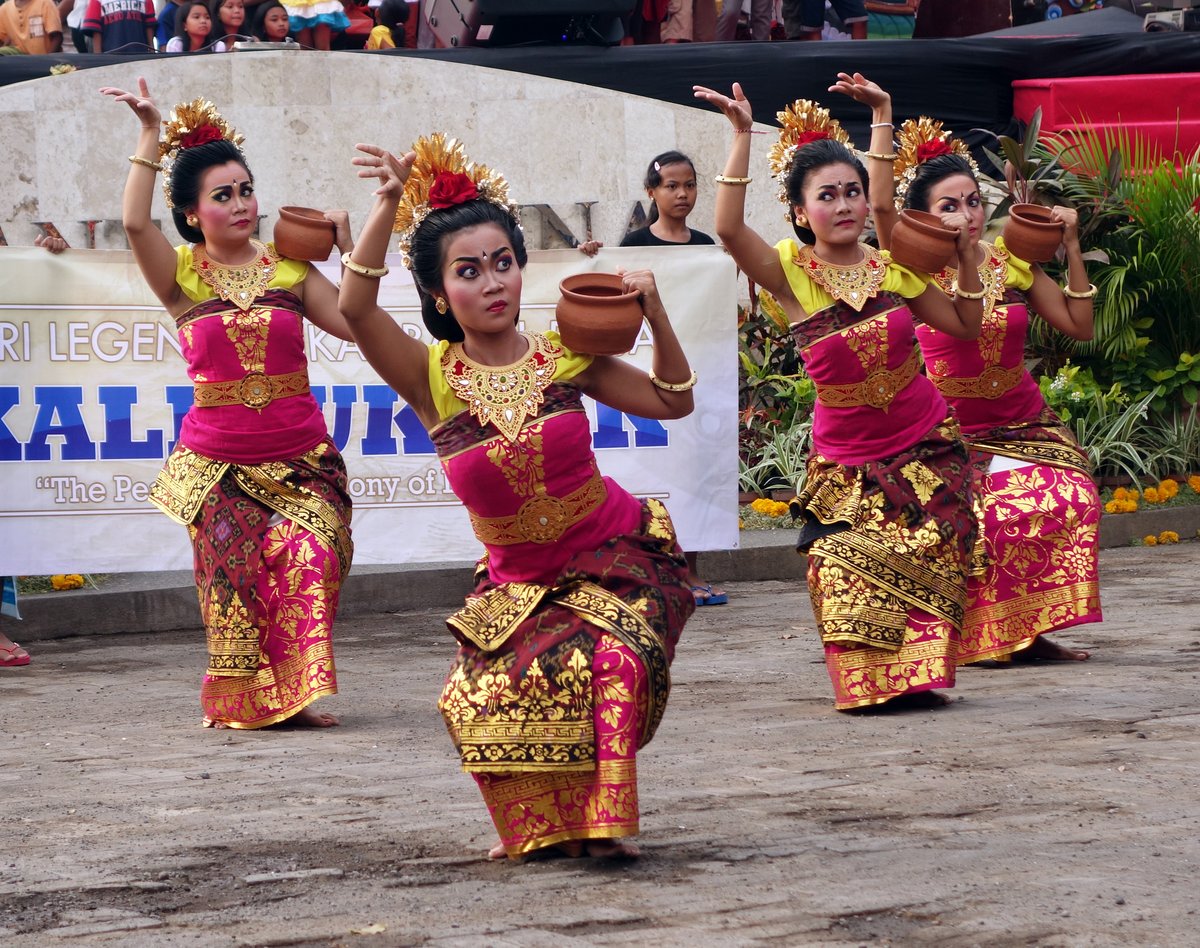
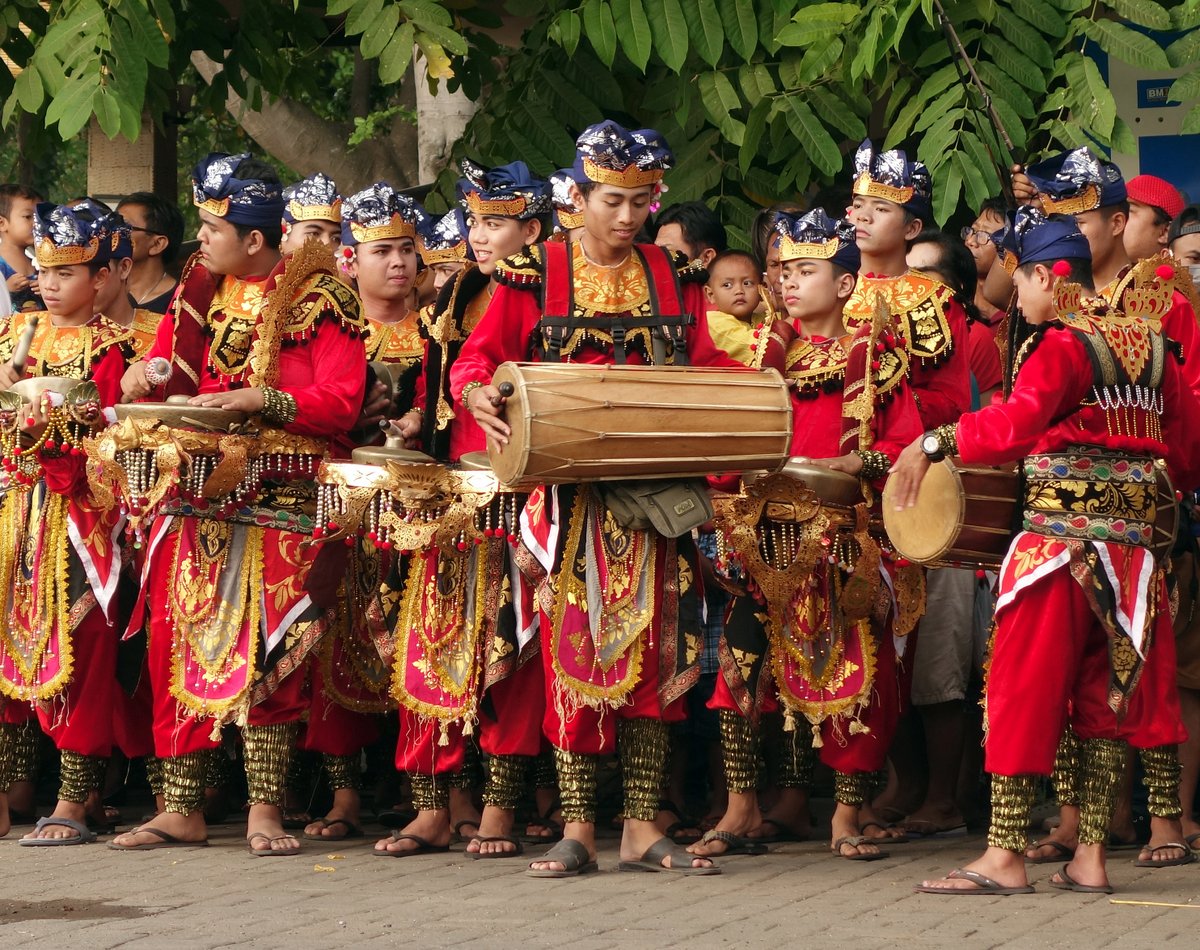
In the afternoon, we were invited to the opening ceremony for the Lovina Beach Festival. Along with the Regent and other dignitaries, we were seated in front of a stage in the village square. The opening ceremony featured the inevitable speeches interspersed by two traditional Balinese dances. The dancing was fabulous. Accompanied by a Gamelan band each dance told a Balinese story. The graceful body movements and facial expressions of the dancers are amazing.
After the Festival was officially opened, there was a parade by the region’s schools and other organisations. Each group came into the square and did a short performance. We saw kids dressed up in clothes made from recycled plastic; a brass band with carnival-type costumes; a couple of gamelan bands and quite a few traditional dances.
I was particularly taken with a couple of young girls who performed a trance dance, which was stunning. I found this information on the special ceremony:
The Sang Hyang Dedari dance is performed by pre-pubescent girls in a state of trance. The preparation for this dance may take months, as the girls are trained to relax their mind to be able to get into a trance state. Day after day they visit the priest at the local temple to receive their lessons.
Their state of trance begins before the dance starts. The ceremony begins in a temple with the girls being carried in a procession to the place where the event will take place. The dancers are set on the ground and meditate in front of incense burners. It is said that the girls are possessed by gods which enter their bodies as they enter a deep trance state.
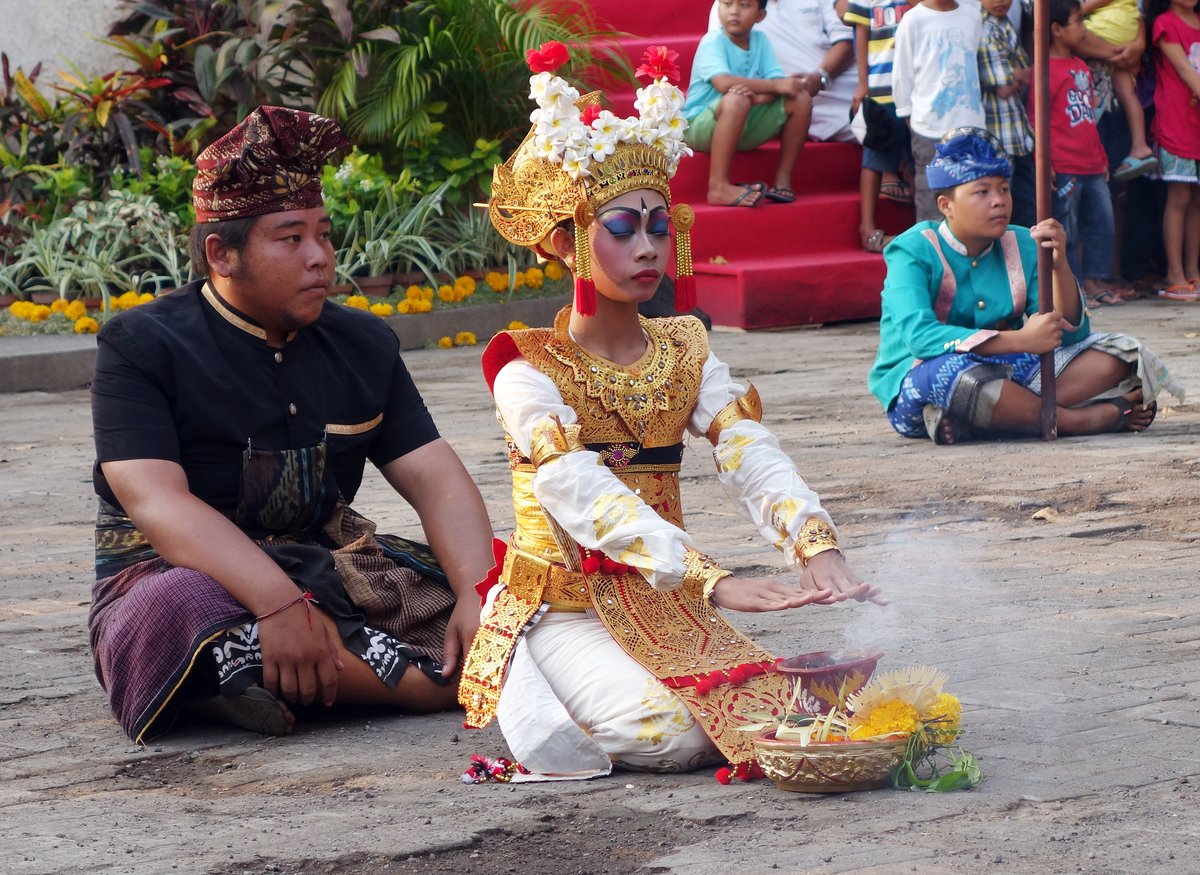
To the sound of a gamelan band (or a choir), the girls make free movements in a dreamy version of the Legong dance and, even though their eyes are closed during the entire performance, they can make perfectly synchronised movements - they dance with movements that they have not mastered in their normal state. Often the girls dance on the shoulders of their male guides.
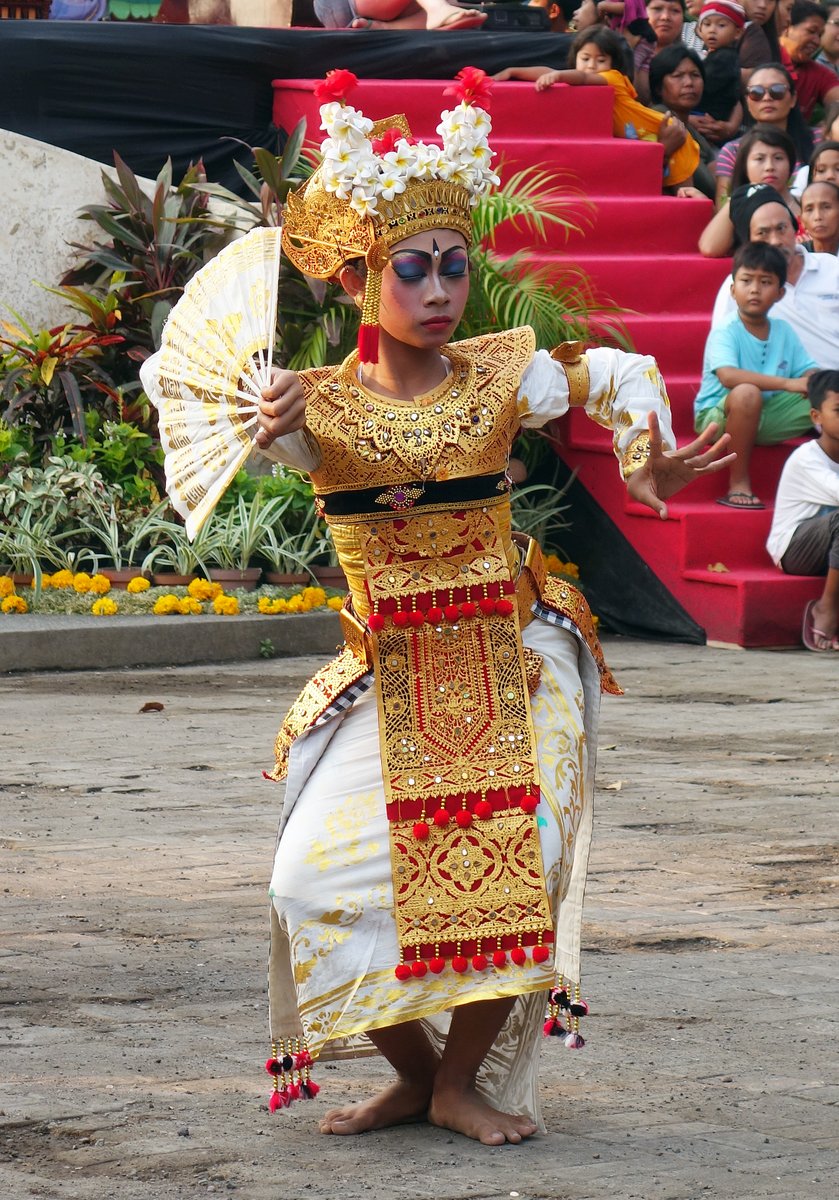
When the band stops playing, the entranced girls fall to the ground as the gods leave their bodies. A holy priest, known locally as Pemangku, then brings them out of the trance by saying a prayer and blessing them with the holy water. When they emerge from the trance, the girls are weak and exhausted and unaware of having danced on stage.
The organisers invited us to a buffet dinner, after which we sloped off to bed, leaving many of the other cruisers partying until late.
28 September 2015 Lovina Beach, Bali
We had a quiet day. Glenys went to the local market and came back with lots of goodies - a sarong, a blouse, a bag, a pair of shorts, a necklace and a bracelet - she had a great time without me slowing her down. I spent most of the morning catching up on sorting through the hundreds of photographs that I've taken in the past five days. It’s nice to have an admin day.
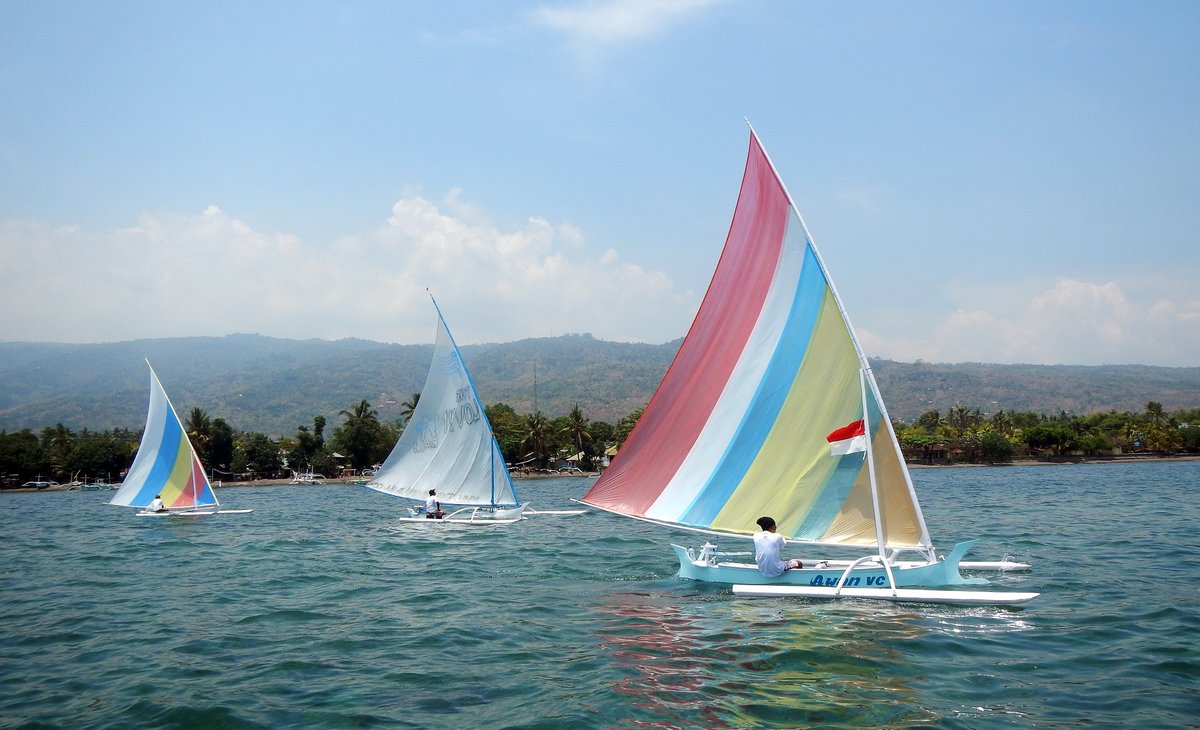
As part of the Lovina Beach Festival, there was a boat race for local outrigger boats, so we zipped out in our dinghy to watch the first race. These boats have sails made from plastic sheeting and are quick on a reach. However, the boom is longer than the boat and the position of the back stay means that they cannot tack through the wind, but always have to gybe. In addition, they only have one sheet, so they have to walk up to the front of the boat and physically pass the sheet in front of the mast - very time consuming. It was good fun to watch.
We spent the afternoon getting ready to leave for Bawean Island early tomorrow and then had a quiet night in. As we sat in our cockpit watching the sun go down, we could see a Hindu ceremony taking place on the beach with a hundred or so people dressed in all their finery.
Unfortunately their meditative ceremony was shattered by a rock band playing loudly in the village square and an after-race party going on at the other side of them. To make it worse the local mosque started booming out the Muslim Call to Prayer to add to the chaos. It's an interesting mixture of cultures here in Bali.
29 September 2015 Lovina Beach to Karimunjawa, (Day 1)
We were up before the Muezzin sang and left at five o'clock. It was still dark, but we had plenty of light from the full moon. Unfortunately, there was no wind and we had to motor for five hours, but over the rest of the day, the wind gradually picked up and, by midday, we had a nice 20 knot ESE wind putting us on a broad reach.
We’d left early in the morning to ensure that we passed through the Kangean Islands before dark. Although it was the long way around, we took the main shipping lane to the east of Goa-daga Island because we thought that there’d be less FADs and fishing boats. We were correct and our timing was good because we’d cleared the channel by five o'clock.
Our initial intention was to go to an island called Bawean, some 230 miles away and we’d planned to take it easy, sailing at 5 knots with two nights at sea. But, by ten o'clock at night, we were doing 7 knots and had already travelled 100 miles with only 130 miles to go. This meant that we’d probably arrive off Bawean soon after dark tomorrow and then be faced with a night hove-to, making landfall on the 1st October.
There’s nothing special about Bawean (it’s just a convenient stop-over), so we decided to keep cracking-on and sail to Karimunjawa, which is 250 miles away. We hope to get there in daylight on the 1st October and then we can chill out for four or five days.
In the early hours of the morning, we both had encounters with unlit Fish Attraction Devices (FADs) passing within a boat length of us. Around here they seem to be made from 5 metre lengths of bamboo poles lashed together to make a raft 1 metre wide - I guess that we won’t sink if we hit one, but it would give us a nasty scare.
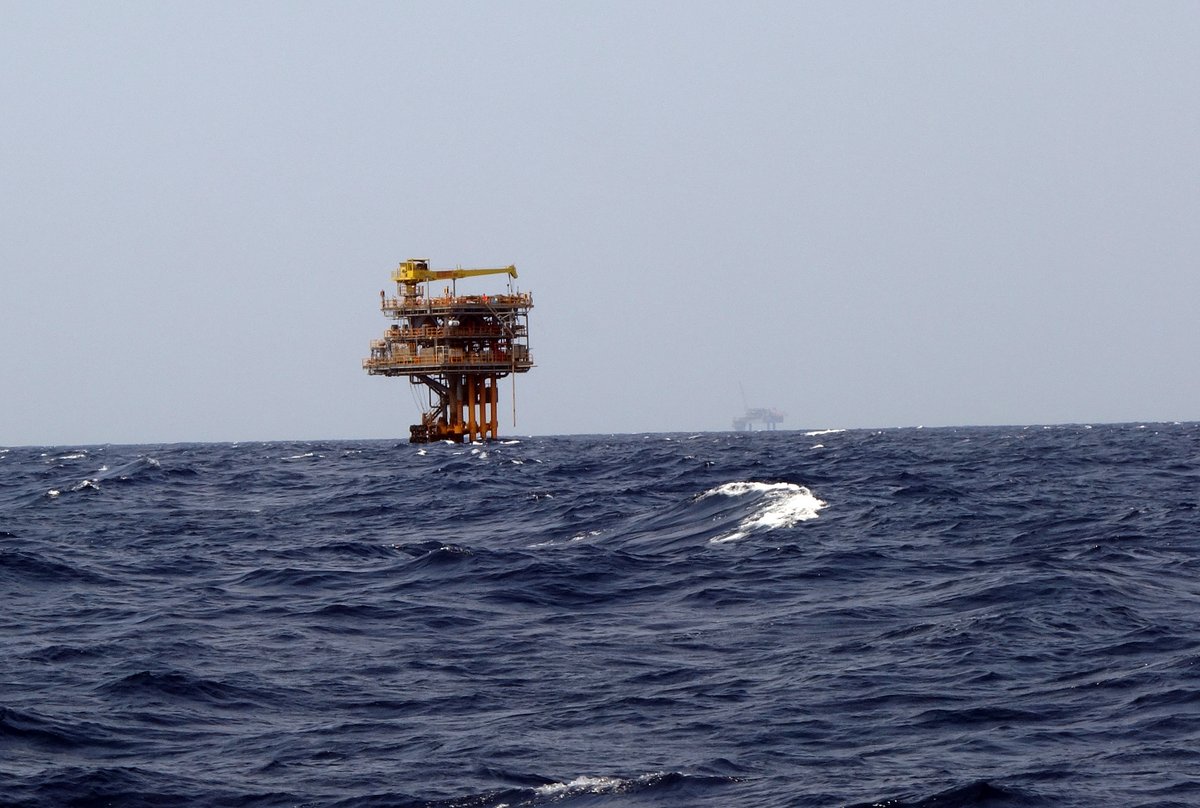
There was also a lot of shipping about - fishing boats trawling; a tug towing a barge; oil tankers zooming about and, in the distance, the flare of oil platforms. It was a busy night.
30 September 2015 Lovina Beach to Karimunjawa, (Day 2)
At eight o’clock in the morning, we'd done 170 miles in 27 hours with 180 miles to go, so we had high hopes of arriving in Karimunjawa before tomorrow evening.
Around midday, we passed through a major oil field - I did a little detour to go and have a look at one of the platforms, which looked like it was still being built. The sea is only 60 metres deep in this area and it's obviously a productive area, based on the number of rigs that we saw. There’s an incredible amount of shipping about - I could see over 100 ships on our AIS at one point.
In the afternoon, the wind picked up to 20-25 knots, so it was a boisterous downwind ride, which continued through sunset. The night was another busy one with fishing boats, ships and tugs. The fishing boats don’t have AIS, but are brightly lit, so are easy to see. Avoiding them is another matter - they all have a tendency to come over and have a look at us, which makes life a bit stressful when we’re barrelling along downwind at 7 knots, occasionally surfing in the 3 metres seas.
The tugs are a bit of a problem as well. For some reason, they don’t have AIS transmitters and the huge barges that they tow don’t have any proper navigation lights. The tugs themselves display two all-round white lights, but the barges are just shadows creeping along behind them.
- << Prev
- Next