
8 May 2015 New Zealand to Vanuatu (Day 7)
Dawn brought us dark clouds and rain. The wind continued from the ENE at 20-25 knots until midday, when the gusts started to increase in strength and the rain became very heavy.
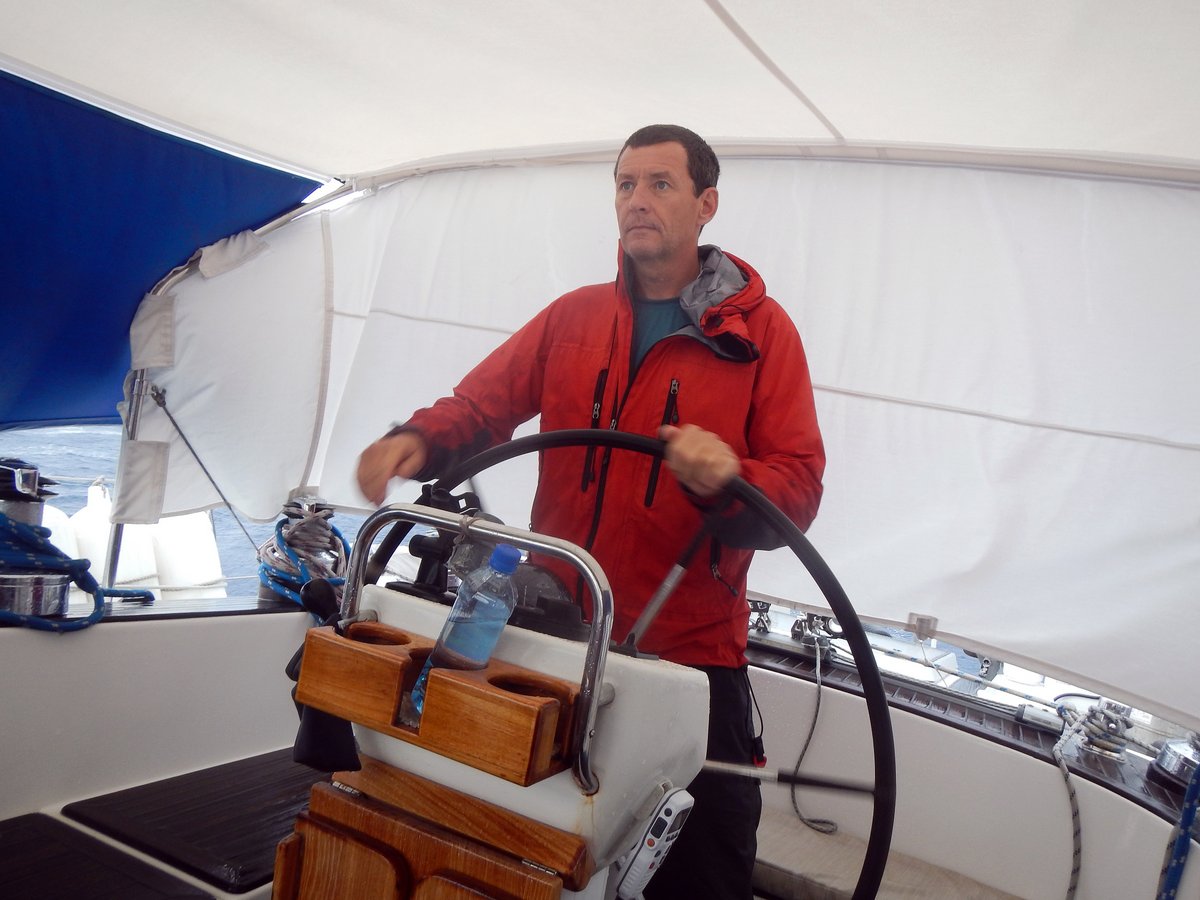
Fifteen minutes later, we had winds gusting to over 40 knots from the NE, so we turned downwind, heading west on a broad reach. It was an exciting sleigh ride down the large waves, at times surfing at 10 knots. The autopilot was struggling with the conditions and nearly broached at one point, so I hand steered for a while until the wind dropped below 35 knots - it's not often that I hand steer.
After fifteen minutes of these gales force winds, we could see brighter clouds ahead and ten minutes later, we were back to 25 knots from the ENE. We were uncertain whether we were going to get more high winds, so we continued on a WNW course. This took us to the south of Ile Matthew, which is a small unlit volcanic island jutting up 200 metres in the middle of nowhere.
In the late afternoon, the wind dropped to less than 10 knots and the barometer started to rise, so we knew that we'd passed through the trough. We started to motor and I had a wander around the deck for the first time in a few days. Our starboard navigation light had been knocked off the pulpit (presumably by a big wave) and was hanging by the electrical cable. It was full of water, so I drained it, dried the bulb and put it back together - surprisingly it still worked. The whole lamp is held in place by a lever and went back onto its bracket - sorted!
Just before dinner, the wind stabilised to 10 knots from the NNE, so were able to turn off the engine and sail close-hauled on a direct course to Aneityum. The wind died off at nine o'clock, so we put the engine on and motor-sailed for the rest of the night.
9 May 2015 New Zealand to Vanuatu (Day 8)
The day started with overcast skies and a light 5 knot wind, so we carried on motoring. By lunchtime, the clouds had cleared and the wind picked up enough for us to sail again. For the rest of the day, we had an idyllic broad reach in 10-15 knot winds, with the sun shining - this is what it's all about.
We took the opportunity of the settled conditions to tidy up the cockpit, which looked like bomb had hit it. Everything was covered in salt and felt sticky - the salt retains water, so nothing was getting dry. I rigged up a hosepipe to the aft deck shower and Glenys gave everything a good clean with fresh water including the underside of the bimini. An hour later everything was dry and the cockpit was habitable again.
I put out a lure on my fishing rod and quickly had two massive strikes as we were sailing over an underwater volcanic region called Monts Gemini. The line screamed out and, when I tightened the clutch on the reel, the 60lb line snapped the first time and a stainless steel 60lb tracer snapped the second time. Having lost two lures, I put out two hand lines with 130lb line. Thirty minutes later, another lure had gone as well. I decided to give up - as Glenys wryly said, fishing is an expensive game when you don't catch anything.
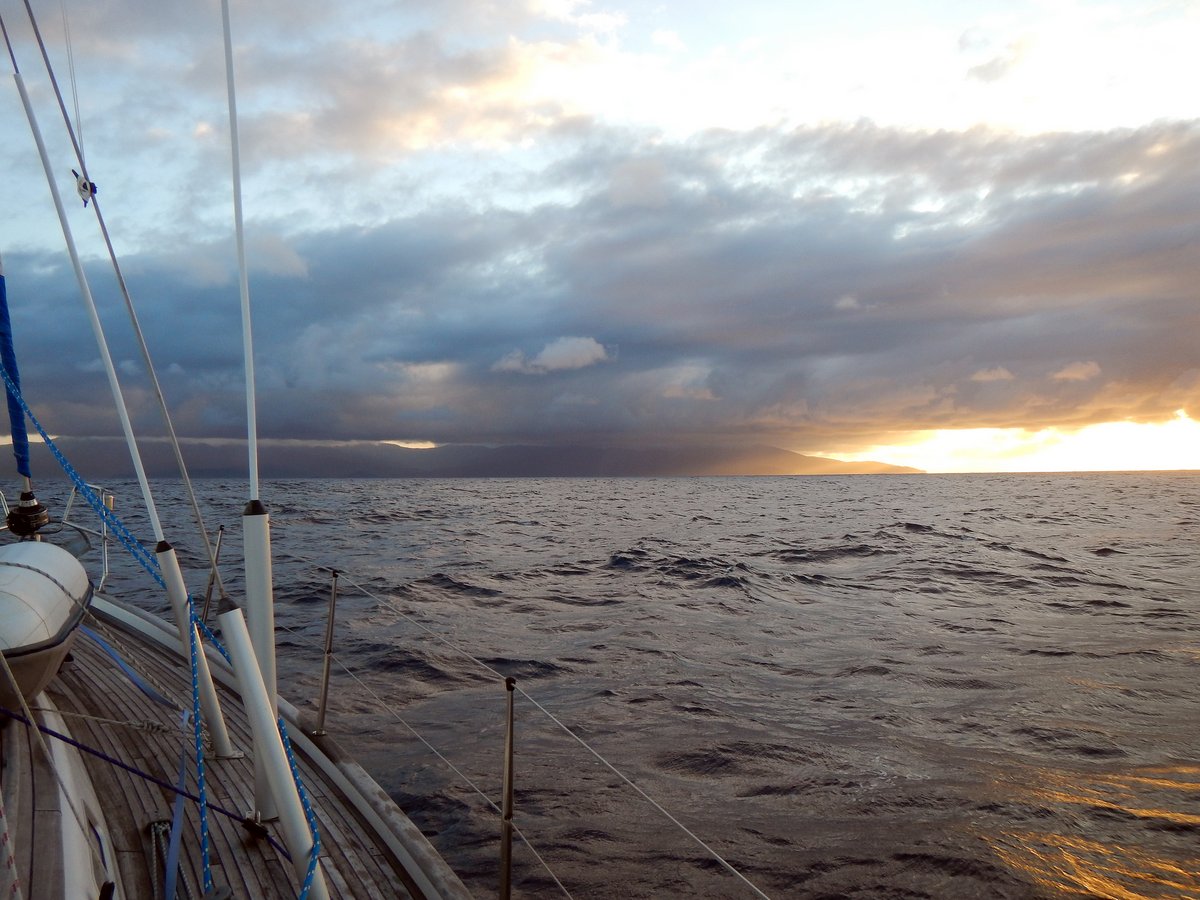
By sunset, we only had 45 miles to go and the wind had backed even further, so we rolled away the main sail and ran downwind with a heavily reefed genoa, trying to go slow to arrive a couple of hours after dawn. The moon came out at midnight and it was beautiful drifting along in the calm seas under clear skies. What a difference to the maelstrom that we had a few days' ago.
10 May 2015 New Zealand to Vanuatu (Day 9)
We weren't able to slow down enough, so we hove-to six miles from the island and waited until dawn before heading towards the entrance to Anelghowhat Bay. It looked very gloomy as we approached the reef entrance and I was concerned about the low level of light, but our Navionics chart was accurate and there’s a good leading beacon on the headland. Just after nine o'clock, we dropped anchor in 10 metres of water, relieved to be here after a tough 8 day passage.
Glenys celebrated our arrival by making a full English breakfast using up the last of the fabulous bacon that she’d bought in New Zealand. We then pottered around for a couple of hours, tidying up and getting the dinghy into the water then collapsed for the afternoon.
There’s only one other boat in the anchorage - our friends Paul and Monique on “Full Circle”. They arrived yesterday, but so far, they haven’t done their customs and immigration clearance. We’re supposed to remain on board until someone comes out to the boat, but we've both decided that if no-one comes out by ten o'clock tomorrow, we’ll go ashore and find them.
We were invited over to “Full Circle” for dinner, where we drank copious amounts of beer and wine, regaling each other with stories about our passages.
11 May 2015 Anelghowhat Bay , Aneityum
We went ashore with “Full Circle” to clear in. Richard, the policeman is supposed to come out to inspect all yachts, but his boat is being repaired, so he met us on the beach and escorted us to the police station. It was all very casual, filling in the various forms and Richard was quite happy chatting away, until he had to fill in the official receipts for the $100 fees, which was obviously a very serious matter.
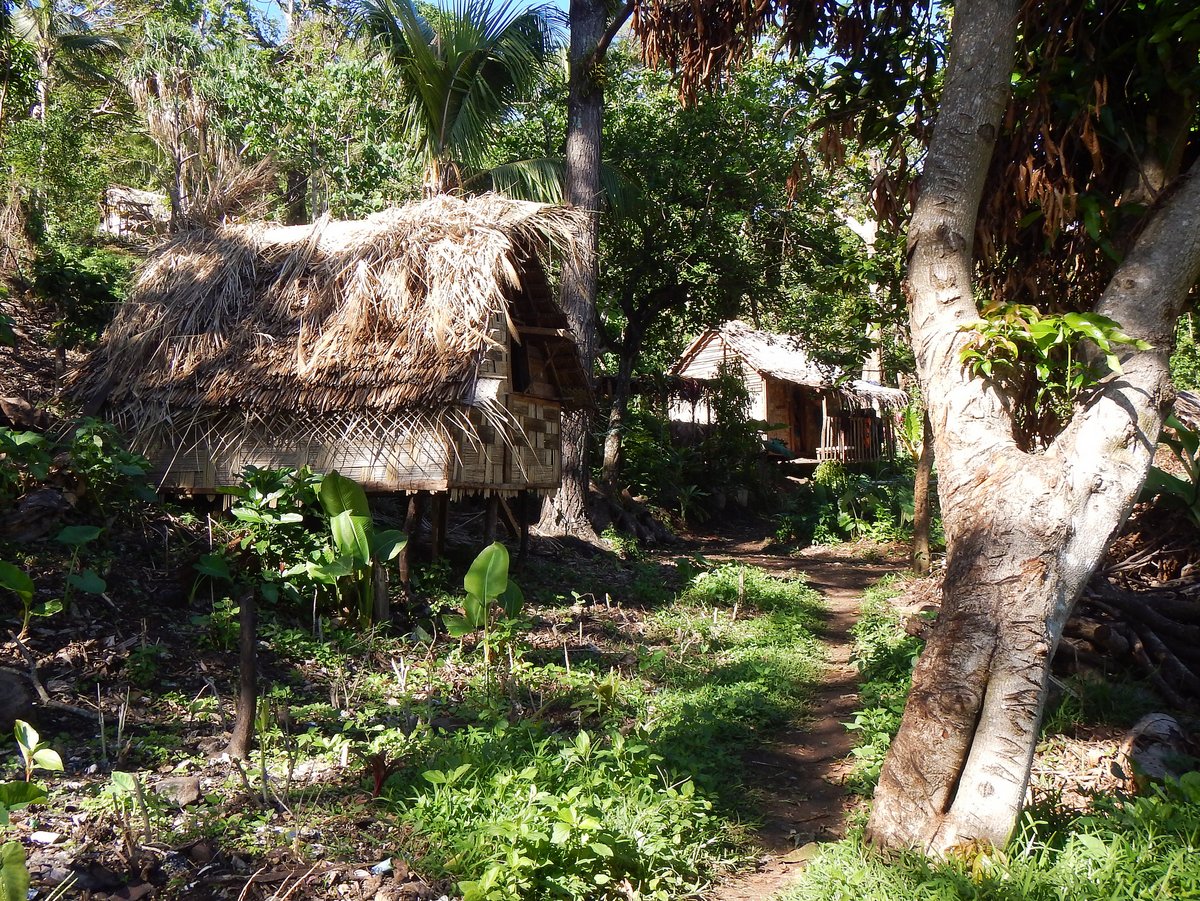
We strolled to the bank to get some small change and then went to look for Roger at the clinic, so that we could give him the nebuliser that we have brought from New Zealand. The clinic was closed, so we asked a guy nearby where Roger was and he got one of the young boys to take us to Roger’s house. It was fascinating walking along the narrow dirt paths through the village past small grass huts closely packed together.
Unfortunately, we were taken to the wrong Roger (who was out anyway), and a lady (who we assume was the wrong Roger’s wife) told us that the Roger that we wanted had gone to Port Vila and she didn't know when he’s be back. However, Roger’s wife, Leah, might be at the clinic later today or maybe tomorrow. We gave up and went back to the boat.
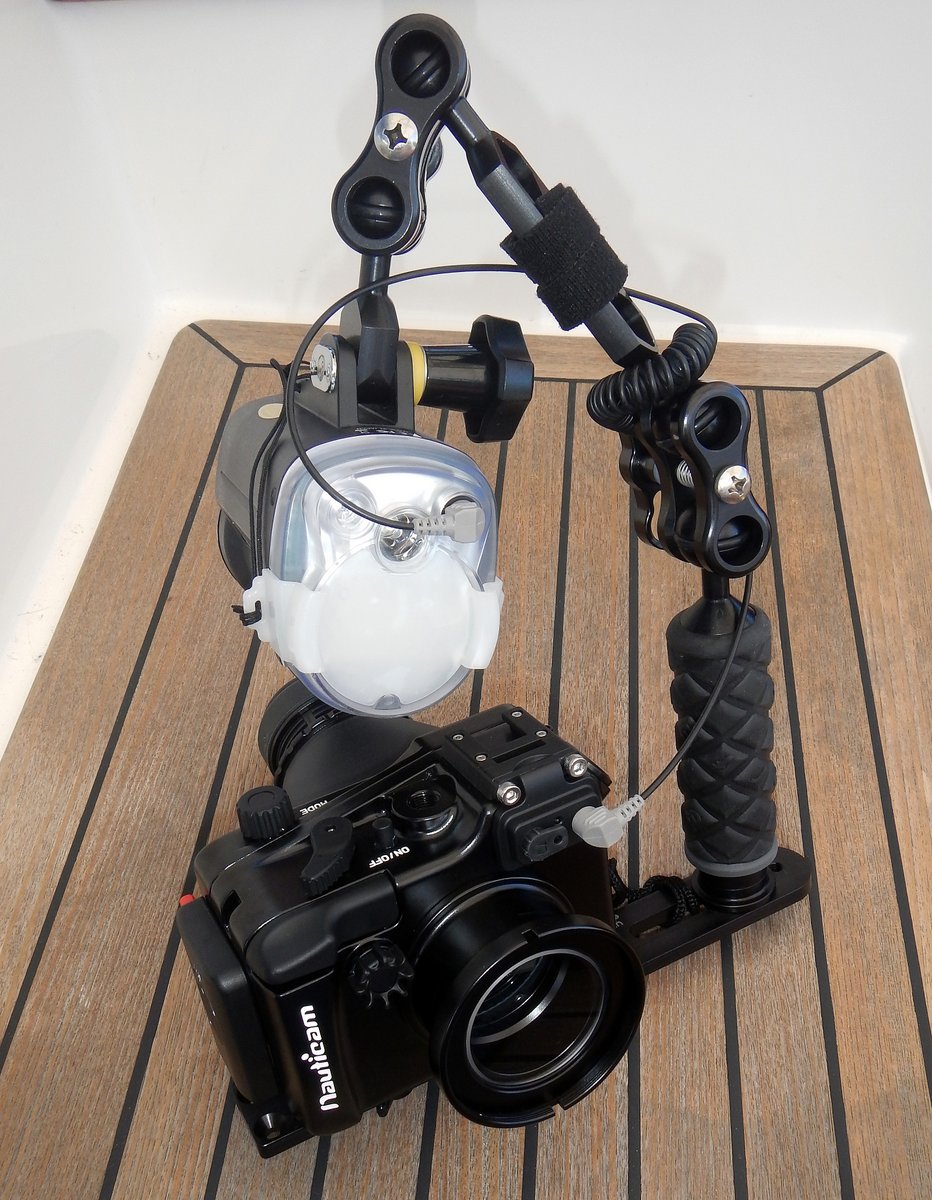
After lunch, we went snorkelling - I've been desperate to try out my new camera and the underwater housing that I bought in Singapore four months ago. We tried by a prominent rock at the entrance to the bay, but it was just a rocky reef and the visibility was poor. We tried a couple of other places, but couldn't find anywhere with clear water, so we ended up on the reef by the anchorage under the leading markers, which was the best of a bad lot. With no real subject matter and cloudy water, my photographs were very disappointing.
Paul and Monique came over and told us that they’d been invited to a lady’s house for part of a funeral and did we want to go? Half an hour later, we were ashore chatting to Joselyn, whose brother had died. They buried the man four days ago and this was the last day of a four day mourning process and she wanted us to come along to her sister in law’s house.
The open plan house was packed with relatives and kids running about. Family members visit to give their condolences over the four day mourning period, bringing baskets of food, which is cooked by the young men of the family. We sat on the floor and were served a plate of pan fried fish, rice, manioc and “lap lap”, which is a grated manioc and coconut milk, wrapped in leaves and baked in an underground oven – very stodgy stuff.
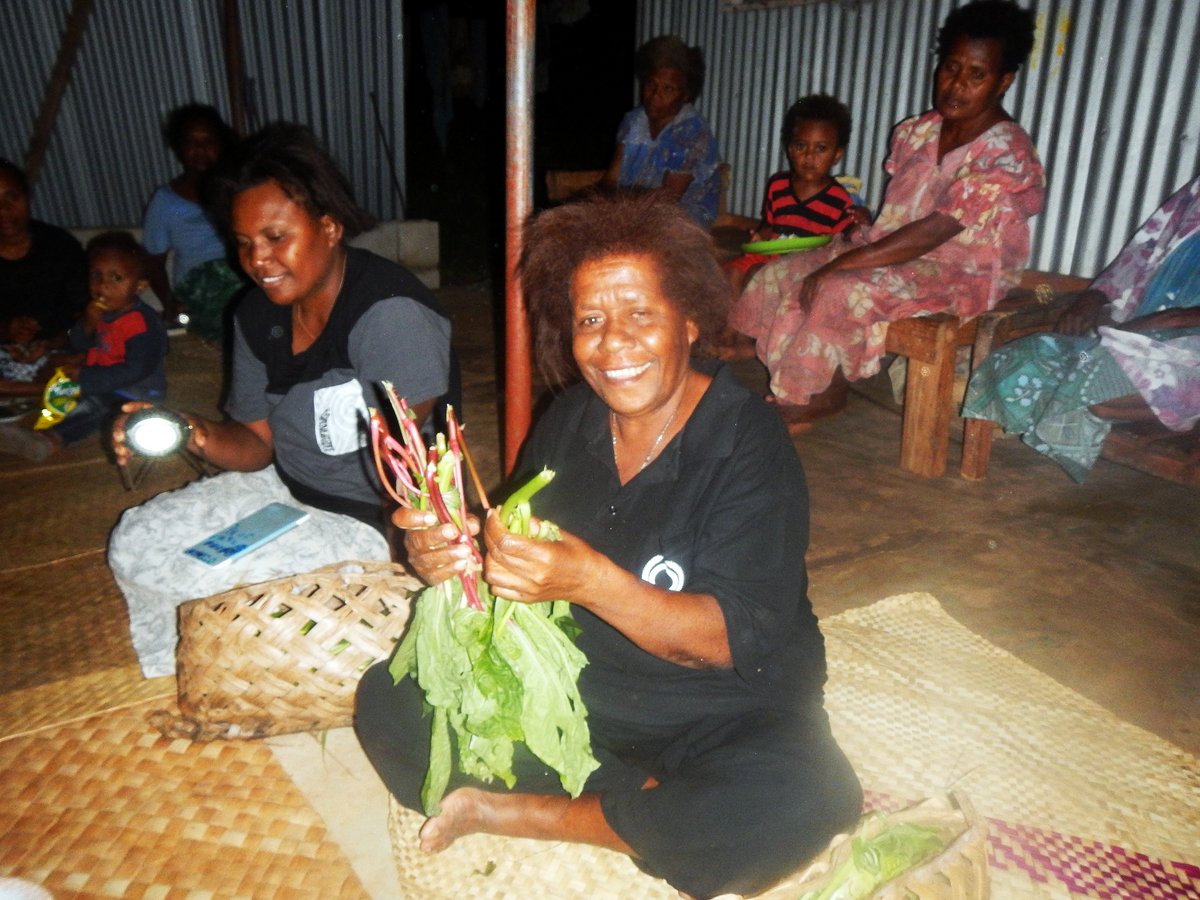
Joselyn turned out to be a right character (I suspect aided by a few cups of kava during the day). She entertained us for a couple of hours with stories of her travels to England on some kind of cultural trip when Vanuatu was made independent. When we asked questions about the food, she disappeared and came back with two baskets of vegetables for us, containing Taro, Manioc and “Island Cabbage”. It was an interesting evening – everyone was very friendly.
12 May 2015 Anelghowhat Bay, Aneityum
We went to the clinic and gave the nebuliser to Nelson, who works with Roger. He was very grateful for the device and the Salbutamol medicine to go with it. We had a long chat about the island and the work that the clinic does. They can only treat minor injuries and illnesses mostly because they have hardly any drugs at the clinic – Roger has gone to Port Vila to try to get some medicines and medical supplies.
There are about 1900 people living on the island. In the 1850's, there were an estimated 12,000 people, but the Europeans brought diseases like malaria & small pox and by the 1930’s the population had plummeted to around 100. Nelson estimated that there will be 30 births in the nearby villages this year and, with a laugh, told us that population will be above 2,000 soon because the local men are very active.
The clinic is very proud that they have totally eradicated malaria on Aneityum. Whenever someone arrives from another island, they have to have to give a blood sample to check for malaria. The clinic has the equipment to do an immediate test and, if anyone is positive as a carrier of the virus, then they are given a three day treatment to cure it.
Nelson told us that a village called Port Patrick on the other side of the island was devastated by the Cyclone. Many houses were flattened by storm surge and the winds. We decided to go around there tomorrow. Nelson told us that there was an aide centre in the village run by a guy called Joshua, so we’ll look him up when we get there.
We wandered off to give a couple of bags of clothes to Joselyn and her family as thanks for entertaining us last night. We were invited in to visit for a while and when we said that we were going for a walk, Joselyn insisted on coming with us. This turned into a three hour epic as she took us to visit some of her many relatives in the village.
Joselyn was brought up on Aneityum, but now lives in Port Vila, so she infrequently visits her home island and was a fabulous guide, telling us of the traditions of the islanders and stories of the old days.
She told us that most of the villagers are related to each other in some way and they each know their place in the family. As we walked around, she would stop small children; ask their names and the names of their parents. She would then tell them who she was and how she was related. The children then knew whether to call her Grandmother or Auntie. Apparently, a cousin is someone related to you, but distant enough to be able to marry them.
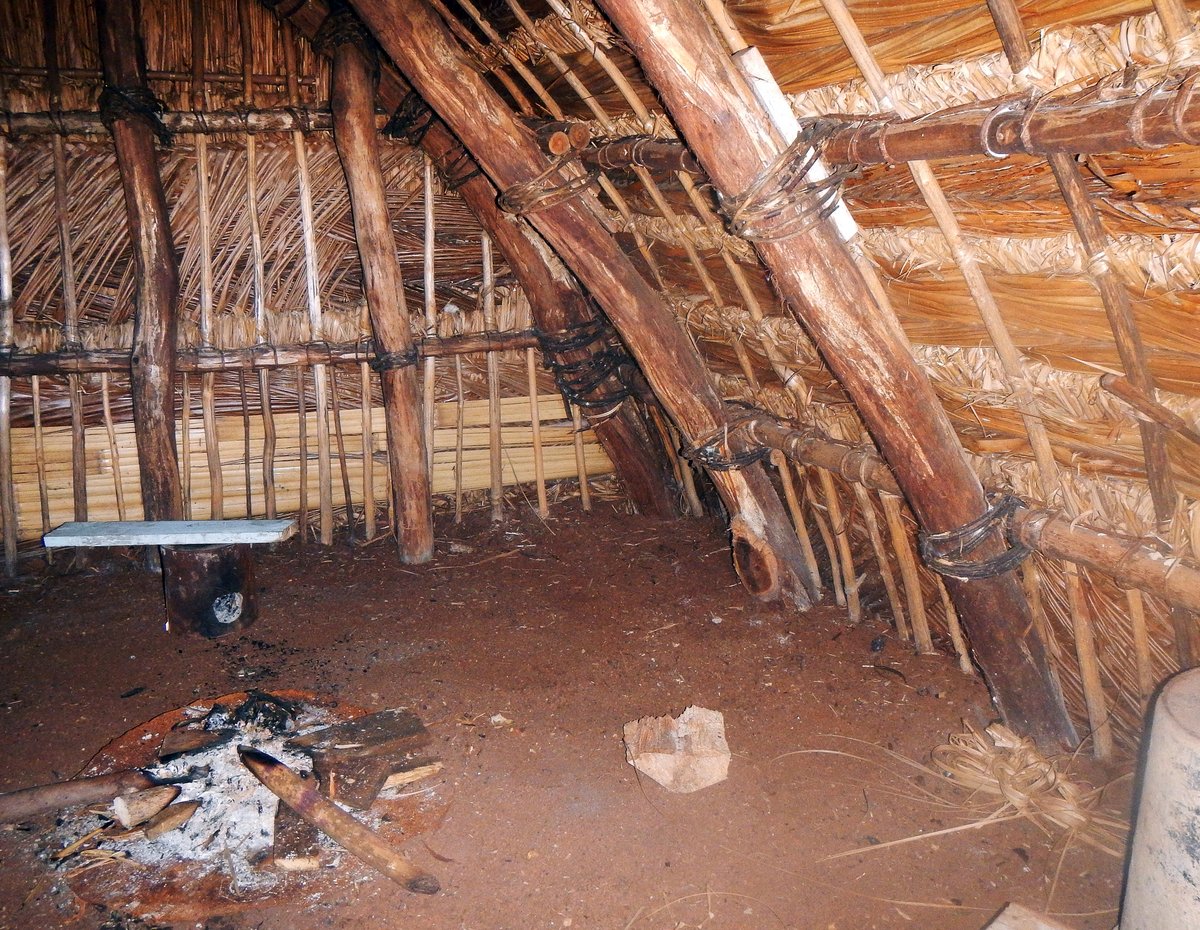
We were taken up though winding dirt paths, under coconut, banyan and breadfruit trees, through people’s gardens and everywhere Joselyn would chat and introduce us. The houses are mostly made from wooden frames, with thatches roofs and walls made from bamboo woven into mats. Joselyn pointed out houses that were of a Samoan design, brought in by the early missionaries and also took us up a small hill above the village where there was a traditional "cyclone" house.
This building has no windows and a single door. The strong wooden frame is sunk six feet into the ground and the thatched roof almost reached the ground. The owner of the house said that he and his family had sheltered in this small house while Cyclone Pam roared over the island. The roof is so thick and the building so strong, that they hardly heard the wind.
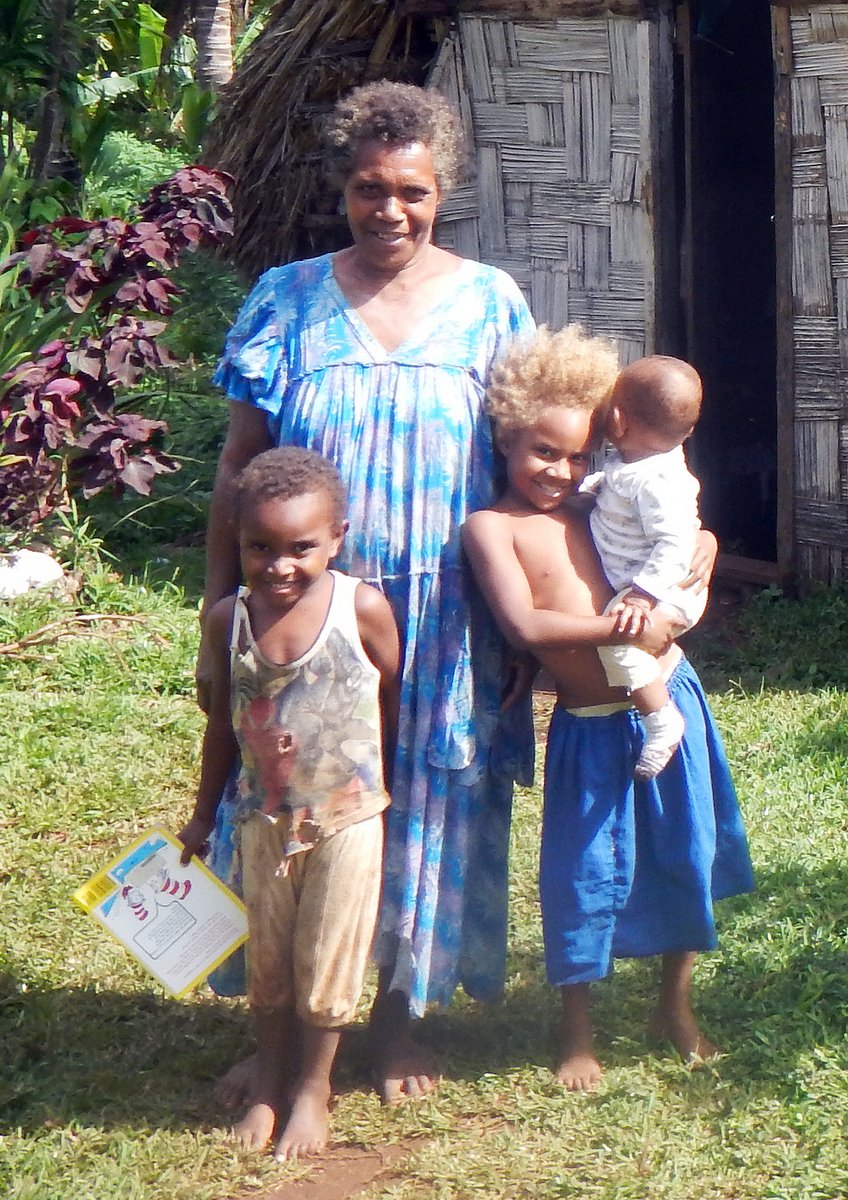
One of the things that fascinate me is the dresses that many of the ladies wear. People refer to them as “Mother Hubbard” dresses and they are blousy, cotton dresses in all sorts of colours. The ladies wear them all the time, even while out digging their land. The one common factor is that they are all threadbare and heavily repaired. We talked to one lady who had a light yellow flowery dress with bright red thread reinforcing the seams.
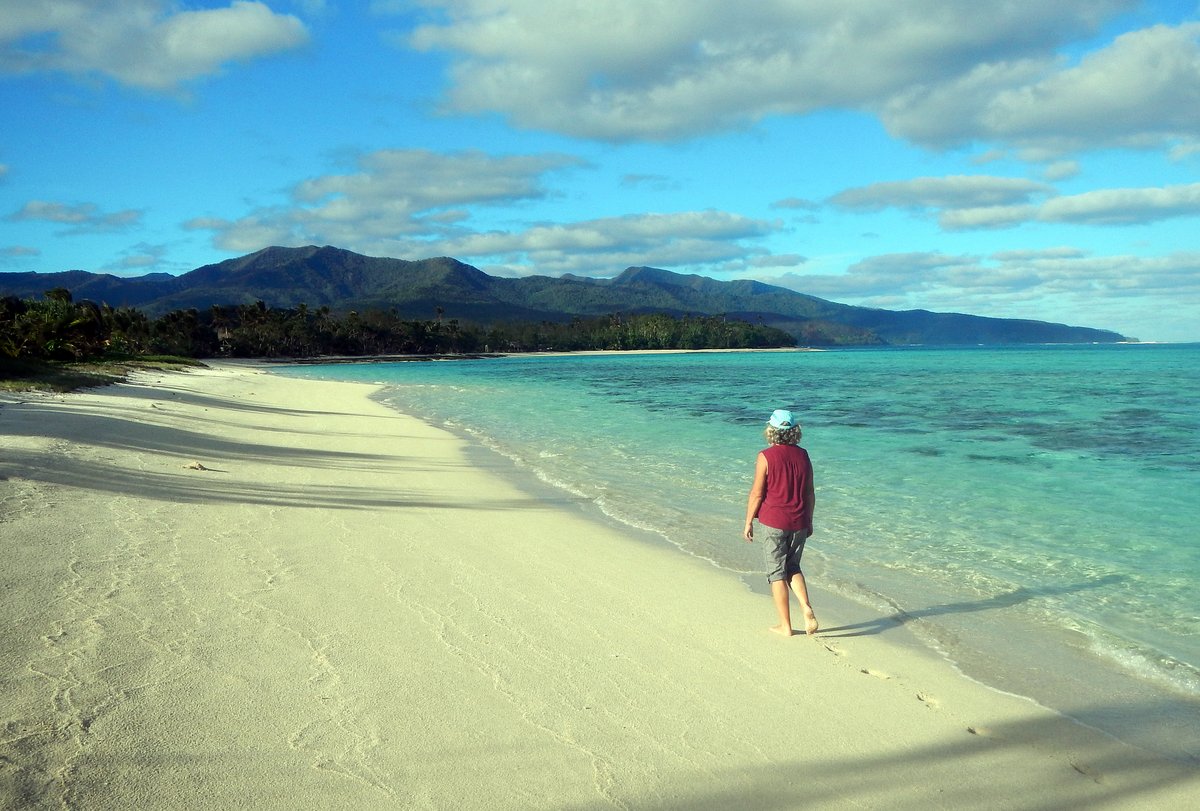
In the afternoon, we visited “Mystery Island”. A cruise ship is coming in tomorrow and will disgorge tourists onto this tiny island, so we wanted to see it without the crowds. It’s a lovely island, with beautiful white beaches, swaying palm trees and stunning water colours. However, once you step off the pristine beach, there’s a network of paths wandering past hundreds of stalls made from rough sawn wood. We've been told that people come from all over the island to sell to the Australian tourists. It will be interesting to go back tomorrow.
We were invited by Karl and Heather onto “Aradonna” for sunset cocktails.
13 May 2015 Anelghowhat Bay to Port Patrick, Aneityum
The cruise ship arrived just after sunrise and by eight o'clock a fleet of small boats was carrying the islanders out to Mystery Island, loaded with things to sell. We went over to have a look. The sleepy island was transformed. 2,600 tourists were wandering around the paths, sat on the beaches and going on snorkelling and paddle board tours run by the locals.
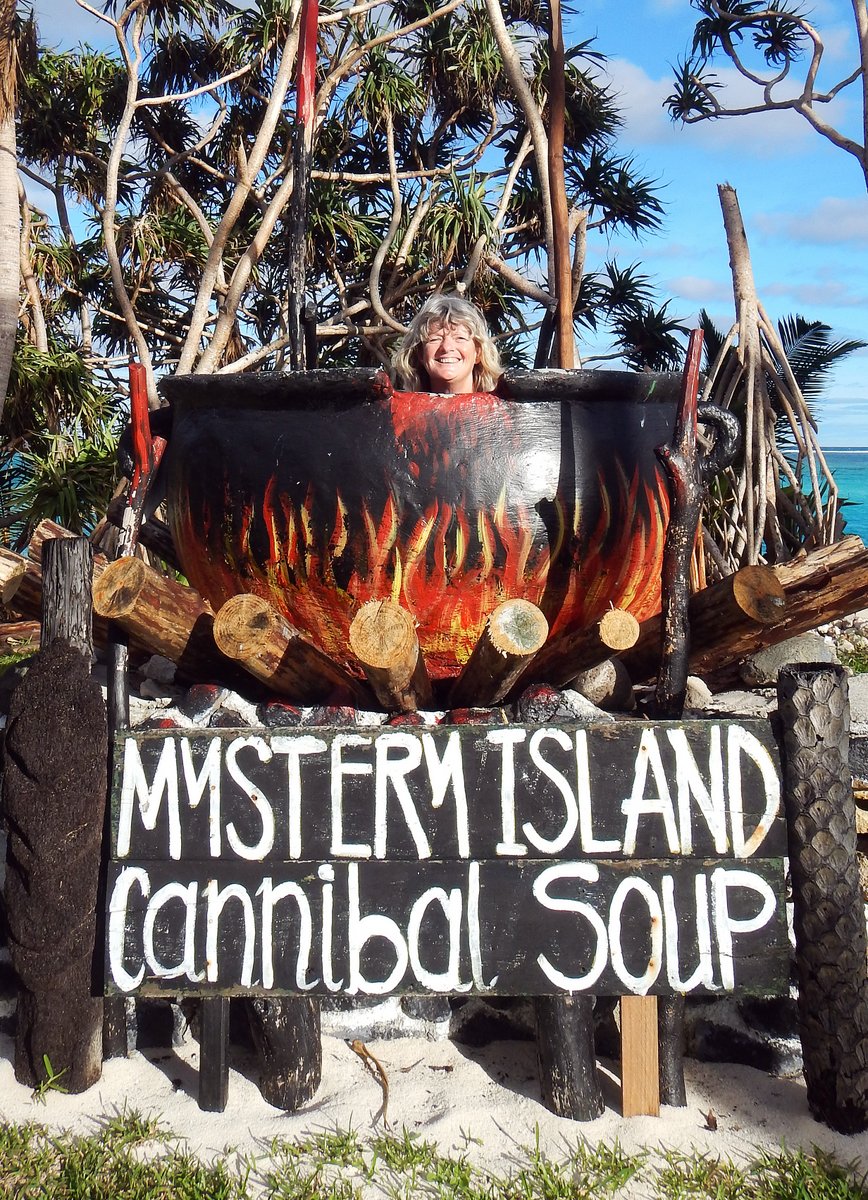
The local school children were raising funds by singing songs and ladies were manning stalls covered in shells and imported Chinese trinkets – we were disappointed in the lack of original craft work. My favourite attraction was a large steel cooking pot, painted with flames and displaying a large sign “Mystery Island Cannibal Soup”. Tourists were paying $5 each to be photographed in the pot with a fierce cannibal warrior. We bumped into Nelson and he told us that they make about $800 from that attraction in a day – not bad.
As we went back to the boat, we discovered that our friends Tomas & Annette on “Anke Sophie” had arrived after a two day sail from New Caledonia. They are heading north up the Vanuatu island chain, so we’ll see them in a couple of days.
We upped anchor and sailed around to Port Patrick, which is on the north side of the island. It was only 12 miles, but the last half was tough - motoring directly into the wind, which curled around the island. The anchorage was less protected that I thought, with swell rolling over the submerged reef, so we decided that we’d only stay one night and leave tomorrow morning.
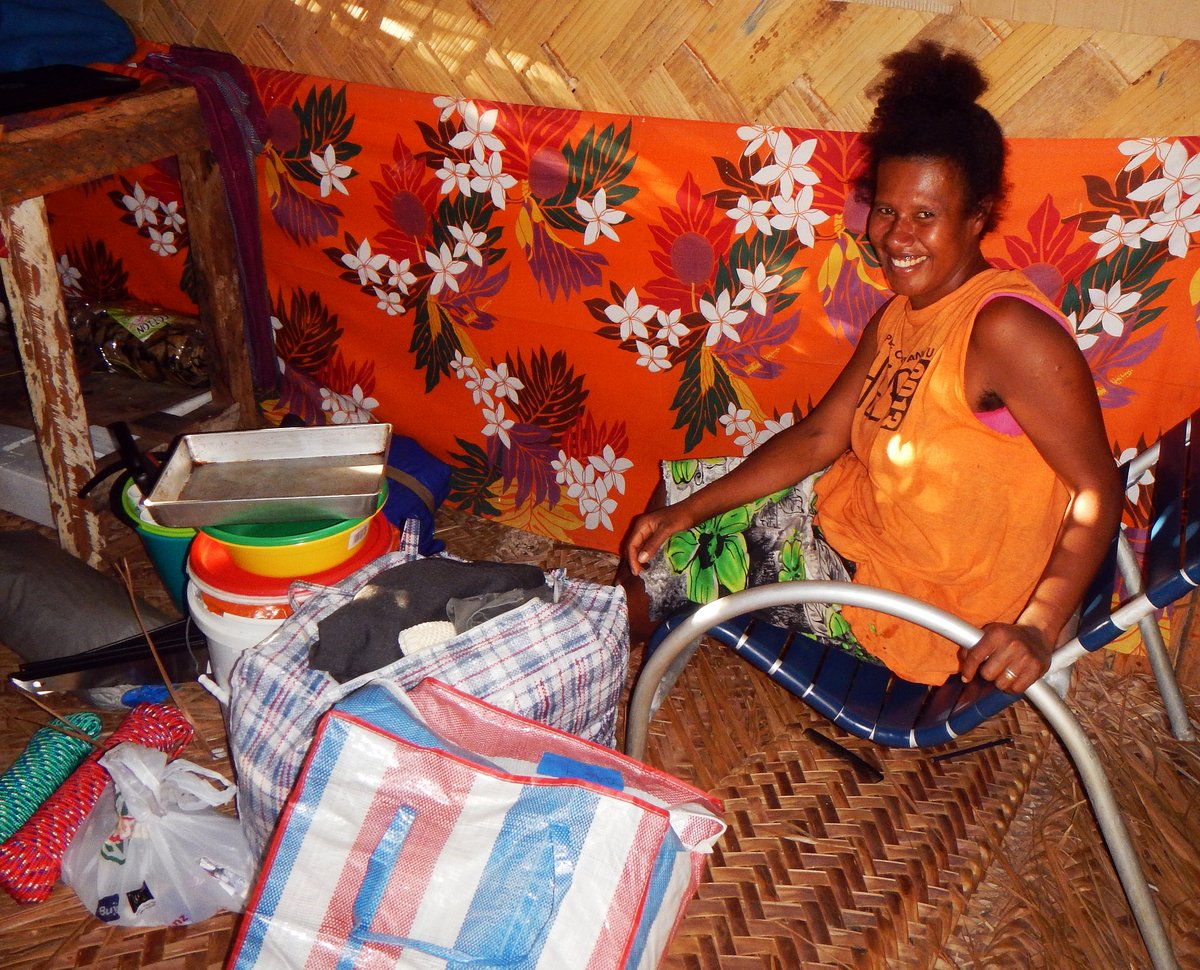
Port Patrick was hit very hard by three monster waves, which travelled 300 metres inland, destroying all houses along the shoreline. We gathered together a collection of the aid that we’d brought from New Zealand including tools, kitchen ware, bedding, tarpaulins, ropes, etc.
Two scruffy individuals dressed in dirty, threadbare clothes met us at the beach, one wielding a machete. They looked quite sinister, but I shook hands with them and introduced myself - one of them turned out to be Joshua.
Joshua, Luka and a young lady called Daisy helped us carry the bags and buckets of stuff up to their small aid hut, where we went through what we’d brought. They were happy that we’d called in at Port Patrick and told us that most yachties only call in at Anelghowhat, so nothing ever gets to Port Patrick.
Daisy is a kind of first aider/nurse and was interested in the nebuliser that we'd gave to Nelson because they also have a number of asthmatic people in their village. I nipped back to the boat and brought back one of the inhalers and a spacer to give to her.
We went for a stroll along the shoreline to look at a whale that had beached a few weeks ago – it was now just a stinking pile of rotting blubber. Luka met us back at our dinghy and wanted some movies. It’s a real dichotomy that this guy, dressed up in tattered clothes and bare feet, had a 8 GB USB thumb drive and wanted movies. It was just going dark and I didn't want to be coming back to shore in the dark, so Luka said that he’d paddle out to our boat in his dugout canoe.
Sure enough fifteen minutes later, he was on board, looking at my laptop and choosing films. He didn't know what they all were, so I gave him a selection of 6 or 7 movies. He spotted my guitar, so I let him have a play – he’s not bad. Once Luka had left, we collapsed with a cold beer – it’s hard work, this cruising.